Advanced Blood Cancer Care • 24/7 Support

Best Blood Cancer Doctors in Delhi
Expert Blood Cancer Treatment – Get Instant Opinion

Personalized blood cancer care by leading oncologists in Delhi. Rapid diagnosis, second opinions & compassionate support.

Best oncologists for Blood Cancer in Delhi

Consult with our curated leading experts of Blood Cancer treatment & get an instant consultation.

Loading doctors…
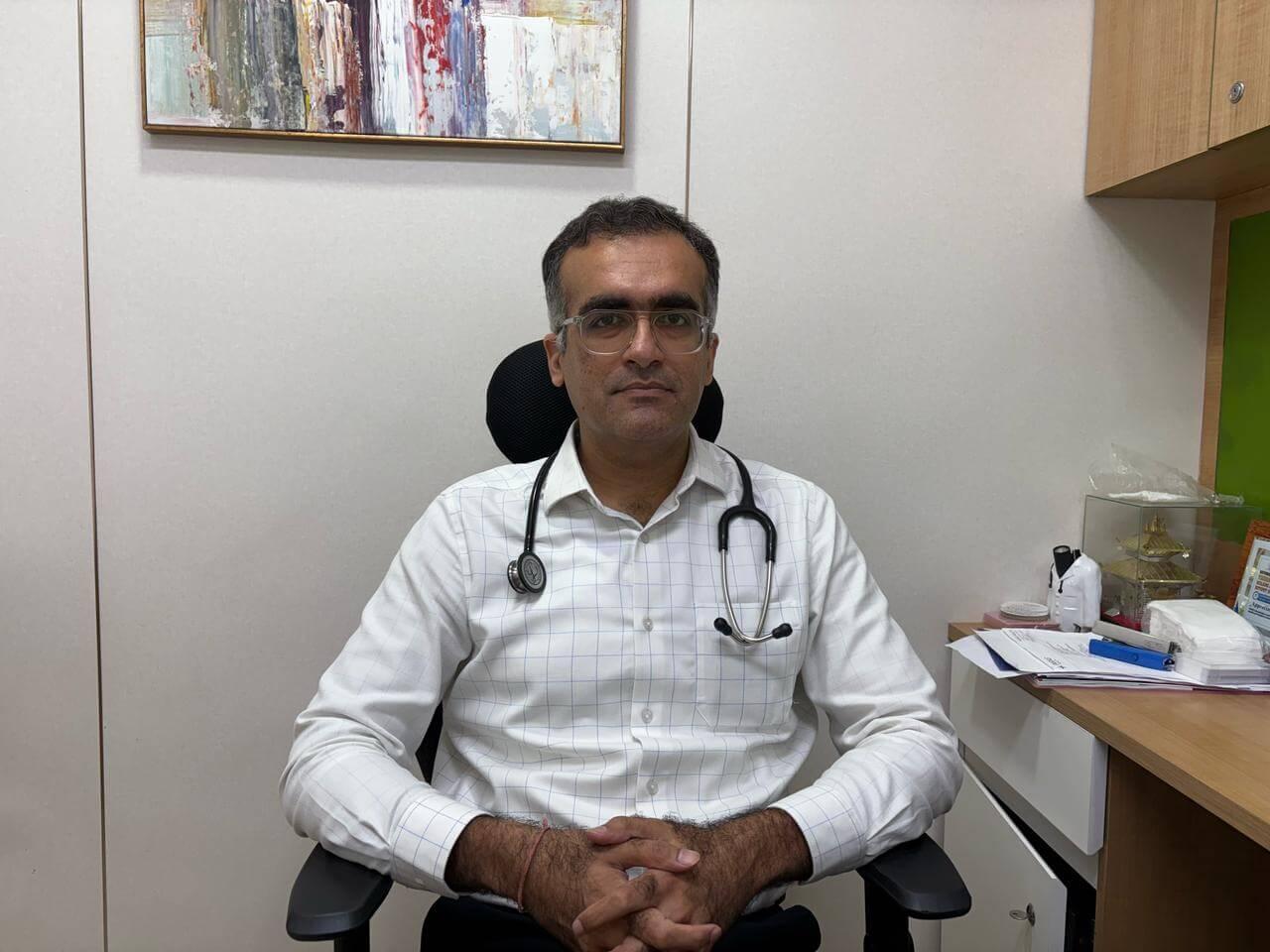
Dr. Sarah Jenkins

Dr. Sarah Jenkins

Surgical Oncologist

Mumbai, India

Breast oncology and minimally invasive specialist.

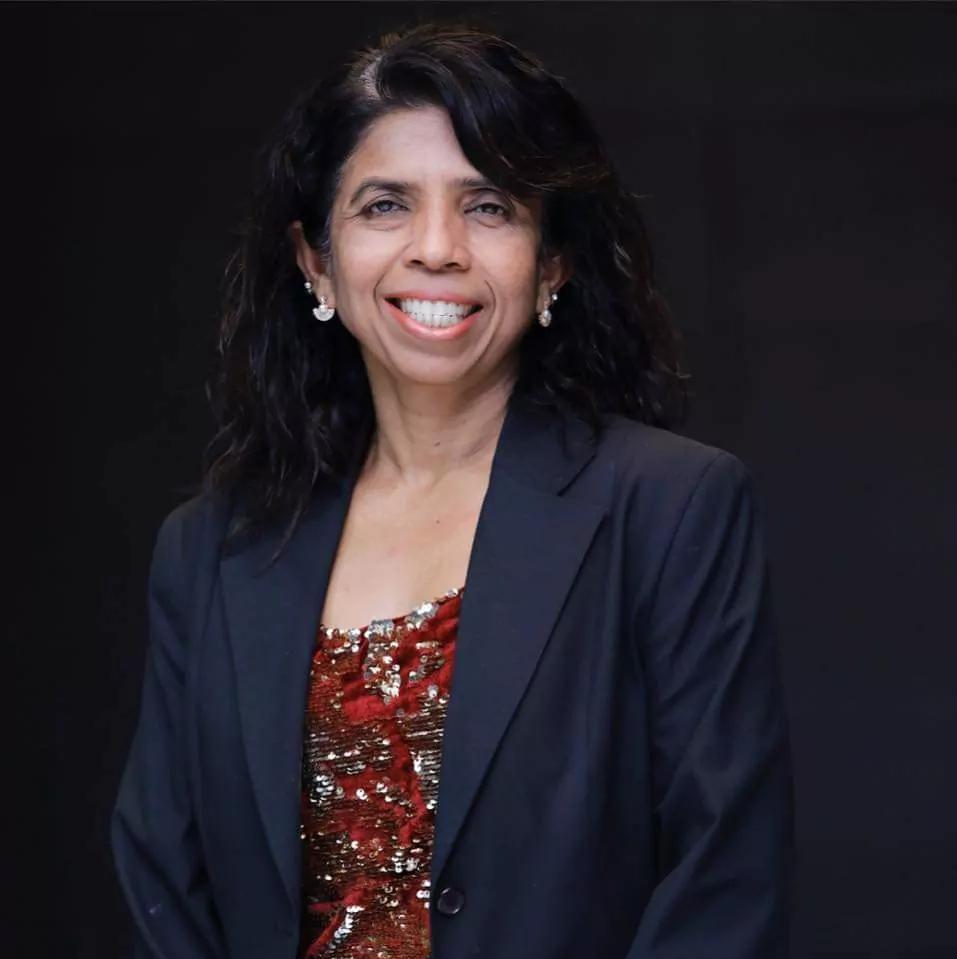
Dr. Michael Chen

Dr. Michael Chen

Radiation Oncologist

Delhi NCR, India

Precision IMRT for prostate and head & neck.

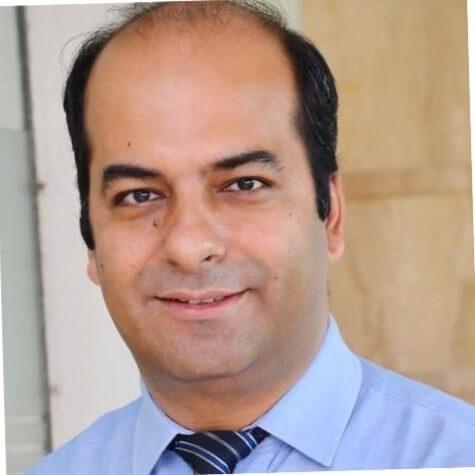
Dr. Emily Rodriguez

Dr. Emily Rodriguez

Hematologist

Bangalore, India

BMT and complex leukemia care.

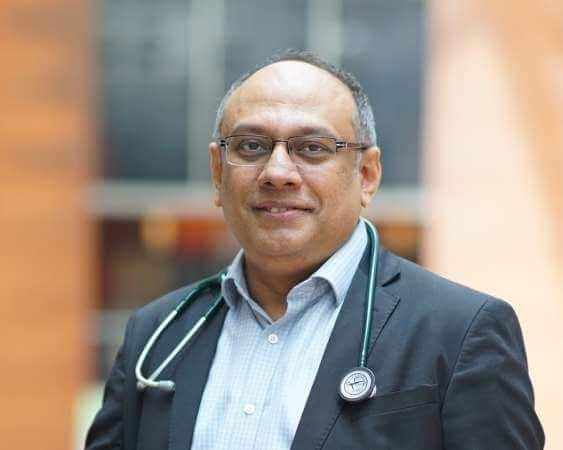
Dr. James Wilson

Dr. James Wilson

Medical Oncologist

Chennai, India

Targeted and immunotherapy planning.

Dr. Anita Patel

Dr. Anita Patel

Surgical Oncologist

Hyderabad, India

Robotic GI cancer surgery.

Dr. Robert Kim

Dr. Robert Kim

Radiation Oncologist

Pune, India

SBRT and head & neck protocols.

Why Choose BigOHealth for Blood Cancer treatment in Delhi?

Expert guidance, priority access, and coordinated care—built around you.

Curated Specialists

We handpick specialists based on multiple factors to provide the best possible care.

Patient‑First Approach

Thousands of patients trust us for confident treatment decisions.

Priority Consultation

Book with our experts and get priority—online or in‑hospital.

Best Institution Expertise

Doctors trained at top cancer centers like AIIMS, TMC, RGCIH and others.

Multi‑Disciplinary Care

Oncology, cardiology, nephrology, neurology, psychology and more—working together.

Personalised Care

We match you to the right expert for your diagnosis and priorities.

Patient Voices & Experiences

Real experiences from Indian patients & caregivers navigating multidisciplinary cancer care.

Breast Cancer PatientJan 2025

Surgery + Radiation

Coordinated care, clear cost guidance and compassionate follow‑ups made a tough journey feel structured and hopeful.

AS
Ananya Sharma
Mumbai5
Caregiver (Father)Feb 2025

Chemotherapy

Streamlined appointments, quick second opinions and transparent estimates reduced our anxiety significantly.

RV
Rahul Verma
Delhi5
SurvivorFeb 2025

Endocrine Therapy

Nutritional guidance & rehabilitation tracking helped me recover strength faster after completing therapy.

PN
Priya Nair
Bangalore5
PatientMar 2025

Targeted Therapy

Cost breakdowns were precise; I could plan insurance claims and avoid surprise expenses.

VS
Vikram Singh
Jaipur5
CaregiverMar 2025

Follow‑up Care

Doctor selection filters saved time. Remote updates kept extended family informed without chaos.

NG
Neha Gupta
Lucknow5
PatientApr 2025

Chemotherapy + Supportive Care

Personalized staging explanation and therapy pathway boosted my confidence before starting cycles.

SP
Sanjay Patel
Ahmedabad5
Breast Cancer PatientJan 2025

Surgery + Radiation

Coordinated care, clear cost guidance and compassionate follow‑ups made a tough journey feel structured and hopeful.

AS
Ananya Sharma
Mumbai5
Caregiver (Father)Feb 2025

Chemotherapy

Streamlined appointments, quick second opinions and transparent estimates reduced our anxiety significantly.

RV
Rahul Verma
Delhi5
SurvivorFeb 2025

Endocrine Therapy

Nutritional guidance & rehabilitation tracking helped me recover strength faster after completing therapy.

PN
Priya Nair
Bangalore5
PatientMar 2025

Targeted Therapy

Cost breakdowns were precise; I could plan insurance claims and avoid surprise expenses.

VS
Vikram Singh
Jaipur5
CaregiverMar 2025

Follow‑up Care

Doctor selection filters saved time. Remote updates kept extended family informed without chaos.

NG
Neha Gupta
Lucknow5
PatientApr 2025

Chemotherapy + Supportive Care

Personalized staging explanation and therapy pathway boosted my confidence before starting cycles.

SP
Sanjay Patel
Ahmedabad5

BigOHealth Oncology Initiatives & Media

Real work. Real impact. Embedded education & innovation content—watch videos, explore research, and see how BigOHealth advances cancer care.

Early Detection ExplainedVideo
Targeted Therapy InsightsVideo
Managing Side EffectsVideo
Survivorship & Recovery JourneyVideo
Nutrition & Immune HealthVideo
Conference

BigOHealth Annual Cancer Summit 2024

Leading oncologists discuss breakthrough treatments and future of cancer care.

2024-03-15Mumbai Convention Center
Conference

Breast Cancer Awareness Workshop

Community workshop on breast cancer prevention, detection, and treatment options.

2024-02-20Delhi Medical Institute
🤔

Still confused? We’re here.

Tell us your situation and we’ll match you with the right cancer specialist in your city.

🤝 Human help Personalised guidance🛡️ Private & secure

Quick call. No obligation.

Not sure where to start?
Need help choosing a doctor?
Want a quick second opinion?
Priority consultation support
😕

What is Blood Cancer?

Umbrella term for hematologic malignancies: leukemia (AML/ALL/CML/CLL), lymphoma (Hodgkin/Non‑Hodgkin) and multiple myeloma. Diagnosis uses blood counts, marrow biopsy, flow cytometry and genetic testing.

Blood cancers arise from bone marrow and lymphatic tissues. Leukemias involve abnormal white cells; lymphomas involve lymph nodes and extranodal sites; myeloma arises from plasma cells. Modern care combines risk‑adapted chemotherapy, targeted/immune therapy and stem cell transplantation with strong infection prevention and supportive care.

Epidemiology & Key Stats

Global Incidence: ≈1.3M hematologic malignancies/year worldwide (combined)

India Incidence: Increasing recognition; pediatric ALL common, adult AML/CLL/CML prevalent; myeloma rising with aging

Prevalence: Hodgkin/Non‑Hodgkin lymphoma and myeloma form major adult burdens

Avg Diagnosis Age: Varies: pediatric ALL ~4–10y; AML ~65y; CLL/CML/myeloma typically >60y

Overall Survival: Highly subtype & risk dependent; targeted therapy improves outcomes

Survival ranges reflect population data; individual prognosis depends on stage, biology, and access to multidisciplinary care.

Clinical Overview

Management is subtype‑specific and risk‑stratified (ELN/WHO for AML, Ph+ ALL/CML BCR‑ABL, IPI/Ann Arbor for lymphomas, R‑ISS for myeloma). Decisions integrate molecular markers (FLT3/NPM1, BCR‑ABL, TP53, BTK, MYD88), age/fitness, organ function, and minimal residual disease (MRD).

Pathogenesis

Driver mutations, chromosomal translocations and epigenetic changes disrupt maturation and survival pathways (e.g., BCR‑ABL tyrosine kinase in CML, FLT3 in AML, t(11;14)/MYC in lymphoma, IgH translocations in myeloma). Microenvironmental signals (cytokines, stromal support) maintain disease.

Early Detection

Red flags: persistent fatigue/pallor, easy bruising/bleeding, recurrent infections, lymph node swelling, bone pain/back pain, night sweats, fever, weight loss. CBC with differential, peripheral smear, LDH, serum protein electrophoresis (myeloma), and timely marrow biopsy expedite diagnosis.

Management Focus

Leukemia: induction/consolidation ± maintenance; TKIs for BCR‑ABL; venetoclax/hypomethylating agents in unfit AML; allogeneic HSCT for high‑risk. Lymphoma: chemo‑immunotherapy (e.g., R‑CHOP), RT for select sites, BTK inhibitors in relapse, CAR‑T in refractory. Myeloma: triplet regimens (PI + IMiD + steroid), autologous transplant, bone protection, and maintenance (lenalidomide).

Decision Drivers

Subtype & stage (Ann Arbor for lymphoma, R‑ISS for myeloma)Genetic/molecular risk (FLT3‑ITD, TP53, 1q gain, del17p, BCR‑ABL)MRD status after therapyAge, performance status, renal/cardiac functionTransplant eligibility (auto vs allo) and donor options

Survivorship

Focus on infection prevention/vaccination, fertility counseling, cardiac monitoring (anthracyclines), neuropathy management (taxanes/PI), bone health (bisphosphonates), psychosocial support, and surveillance for relapse or second malignancies.

Individualized care aligns tumor biology, stage, and patient goals to optimize outcomes.

Blood Cancer Symptoms & Side Effects

Unified, compact view of symptom clusters and treatment impact. Content remains fully visible for search engines; search gently highlights matching terminology.

Blood Cancer Symptoms

Early, common & advanced signs of blood cancer

Primary Symptoms

  • Fatigue, pallor (anemia)Advanced
  • Easy bruising/bleeding, nosebleedsObserve
  • Recurrent fever/infectionsObserve
  • Generalized weaknessObserve

Lymphatic Bone Symptoms

  • Painless swollen lymph nodesAdvanced
  • Bone pain or back pain (myeloma)Advanced
  • Night sweats, unexplained weight lossAdvanced
  • Abdominal fullness (splenomegaly)Observe

Advanced Stage Symptoms

  • Shortness of breath on exertionAdvanced
  • Severe infectionsObserve
  • Pathological fractures (myeloma)Observe
  • Hypercalcemia symptoms (thirst, confusion)Observe
Symptoms require imaging & pathology correlation for definitive diagnosis.

Blood Cancer Treatment Side Effects

Short & long-term side effects of blood cancer treatment

Short Term

  • Neutropenia & infectionsObserve
  • Mucositis, nauseaAdvanced
  • Hair loss, fatigueAdvanced
  • Tumor lysis (monitor electrolytes)Observe

Long Term

  • Cardiotoxicity (anthracyclines)Observe
  • Peripheral neuropathy (bortezomib/vincristine)Chronic
  • Endocrine/fertility impactObserve
  • Chronic graft‑versus‑host disease (after allo‑HSCT)Observe

Emotional Impact

  • Anxiety about relapsePsychosocial
  • Financial stressPsychosocial
  • Caregiver burdenObserve
  • Return‑to‑work challengesObserve
Report emerging side effects early to enable supportive interventions.

Informational reference only; seek urgent care for severe or rapidly worsening symptoms.

Blood Cancer Treatment Cost in Delhi

Transparent, patient-centered cost guidance for planning informed care decisions. Indicative INR ranges; costs vary by subtype, hospital, complications, and individualized treatment pathways.

Overall Range

₹1,80,000 – ₹35,00,000
  • Early stage typical:
  • Locally advanced typical:
  • Metastatic annual:

City-Specific Core Costs

  • minN/A
  • maxN/A

Surgery Options

N/A

Chemotherapy Protocols

  • R-CHOP (DLBCL) x6₹3,50,000 – ₹6,50,000
  • AML induction (7+3 or HMA+Ven) + consolidation₹3,00,000 – ₹7,00,000
  • ALL multi-phase therapy (adult)₹4,50,000 – ₹9,00,000

Radiation Modalities

N/A

Targeted Therapies

  • TKI (Imatinib/Dasatinib/Nilotinib) for CMLN/A
  • BTK inhibitors (Ibrutinib/Acalabrutinib) for CLLN/A
  • Venetoclax-based combinationsN/A

Hormone Therapy (Annual)

N/A

Immunotherapy (Per Cycle)

  • Rituximab/Anti-CD20 (lymphoma/CLL)₹1,80,000 – ₹3,20,000
  • CAR-T (selected refractory cases)N/A

Supportive Care

Growth factors & transfusionsAntimicrobials (antibiotics/antivirals/antifungals)Bisphosphonates & bone support (myeloma)Central line care, nutrition, counseling

Financing Insights

  • Risk-adapted use of targeted agents improves value
  • Autologous transplant for myeloma can reduce relapse costs
  • Enroll for state/NGO aid and manufacturer assistance programs

Disclaimer: Indicative estimates only. Individual plans depend on clinical staging, biology & personalization.

Virtual Tumor Board: Expert Cancer Care at Your Service

Get comprehensive cancer treatment opinions from a team of specialized oncologists - all in one place. Our virtual tumor board brings together medical, radiation, surgical, and nuclear medicine experts for your personalized care plan.

Blood Cancer Frequently Asked Questions

Clear, patient‑friendly answers to common blood cancer queries. All FAQs are visible (no accordion) for easy scanning and search optimization.

What are the symptoms of blood cancer?

Blood cancer symptoms often include severe tiredness, frequent infections, unexplained fever, and sudden weight loss. Some people notice easy bruising, bleeding, or night sweats. Swollen lymph nodes may also appear as an early warning sign.

What are the signs of blood cancer?

Important signs of blood cancer are pale skin, weakness, bone or joint pain, repeated fevers, and unusual bleeding like nosebleeds or gum bleeding. Lumps in the neck, armpit, or groin can also indicate a problem. Symptoms that last for weeks should be checked by a doctor.

What are the reasons for blood cancer?

Blood cancer develops when the blood-forming cells start multiplying abnormally. This can happen due to genetic mutations, exposure to chemicals, radiation, smoking, or weak immunity. In many cases, the exact reason remains unknown.

Is there a cure for blood cancer?

Yes, many blood cancers can be treated effectively, and some can be cured with the right therapy. Treatments include chemotherapy, immunotherapy, targeted drugs, and bone marrow transplant. Outcomes are better when the cancer is diagnosed early.

Which blood test helps detect blood cancer?

A Complete Blood Count (CBC) is the first test used to detect unusual blood cells. If cancer is suspected, doctors may advise bone marrow biopsy, flow cytometry, or genetic tests for confirmation. These tests help identify the exact type and stage.

What are the types of blood cancer?

The major blood cancer types are Leukemia, Lymphoma, and Myeloma. Each type affects different cells of the blood and immune system. Understanding the type helps doctors choose the best treatment plan.

Educational guidance only; consult qualified oncology professionals for personalized medical advice.