What is cervical cancer?
Cervical cancer is a disease where abnormal cells grow in the cervix, the lower part of the uterus. These cells slowly turn cancerous if not found early. Regular Pap smear and HPV tests help detect it at the earliest stage.

Consult our curated network of highly qualified cancer specialists trained at AIIMS (New Delhi), Tata Memorial Centre (Mumbai), Rajiv Gandhi Cancer Institute, and other leading oncology centers.
Our specialists hold advanced qualifications including MD, DM, and M.Ch. degrees.

Consult our curated network of highly qualified cancer specialists trained at AIIMS (New Delhi), Tata Memorial Centre (Mumbai), Rajiv Gandhi Cancer Institute, and other leading oncology centers.
Our specialists hold advanced qualifications including MD, DM, and M.Ch. degrees.
Book Appointment with best doctors for Cervical Cancer in Delhi & get priority at the hospital through BigOHealth

Oncologist
Dr. Suman Karanth is among the top cervical cancer specialists in Delhi, with focused training in Gynaecologic Oncology from The Christie Hospital, UK. Her participation in multiple Phase 1–3 clinical trials keeps her practice current with the latest systemic and targeted therapies for gynecologic cancers. At FMRI, she follows a patient-first approach that balances effective disease control with long-term wellbeing, making her a trusted name for women seeking specialized cervical cancer treatment in Delhi.
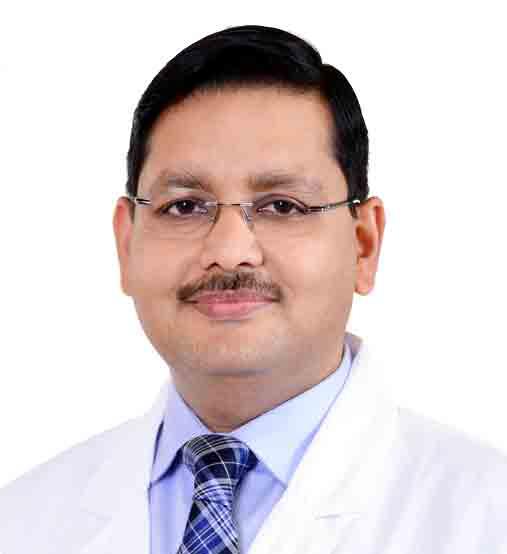
Surgical Oncologist
Dr. Vedant Kabra – Top Gynaecological Cancer Specialist in Delhi Dr. Vedant Kabra is a leading expert in Gynaecological Oncology in Delhi, utilizing advanced Robotic Surgery for precise treatment of cervical and uterine cancers. His extensive fellowship at Tata Memorial Hospital ensures patients receive the highest standard of minimally invasive care.

Radiation Oncologist
Dr. Swarupa Mitra – Top Cervical Cancer Specialist in Delhi Recognized by the Health Minister of Jharkhand for her work in cervical cancer awareness, Dr. Swarupa Mitra is a premier expert in Brachytherapy and external radiation in Delhi. She combines over two decades of clinical excellence with a compassionate approach to treat women’s cancers effectively.

Pain and Palliative Medicine
Dr. Megha Pruthi – Leading Women’s Cancer Pain Specialist in Delhi Dr. Megha Pruthi specializes in managing pelvic and lower back pain for cervical cancer patients in Delhi through Nerve Root Injections and holistic palliative care. With 12+ years of experience at top hospitals like Max and Fortis, she ensures patients receive compassionate, multidisciplinary support for end-of-life and chronic care.
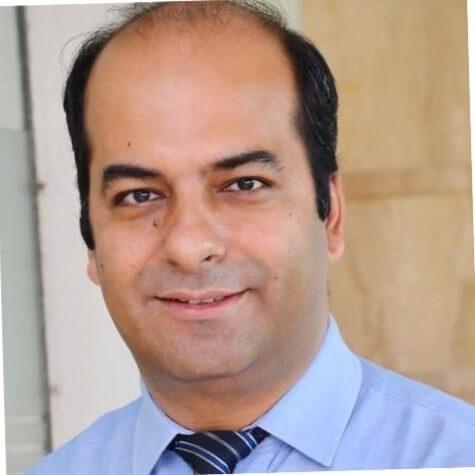
Medical Oncologist
Dr. Ankur Bahl – Top Gynaecological Cancer Doctor in Delhi Specializing in Gynaecological Cancers, Dr. Ankur Bahl is a preferred Medical Oncologist in Delhi for treating cervical and uterine tumors with advanced chemotherapy and immunotherapy. His holistic approach, honed at Rajiv Gandhi Cancer Institute, focuses on personalized care and effective disease control.
Oncologist
Dr. Suman Karanth is among the top cervical cancer specialists in Delhi, with focused training in Gynaecologic Oncology from The Christie Hospital, UK. Her participation in multiple Phase 1–3 clinical trials keeps her practice current with the latest systemic and targeted therapies for gynecologic cancers. At FMRI, she follows a patient-first approach that balances effective disease control with long-term wellbeing, making her a trusted name for women seeking specialized cervical cancer treatment in Delhi.
Medical Oncologist
Dr. Ankur Bahl – Top Gynaecological Cancer Doctor in Delhi Specializing in Gynaecological Cancers, Dr. Ankur Bahl is a preferred Medical Oncologist in Delhi for treating cervical and uterine tumors with advanced chemotherapy and immunotherapy. His holistic approach, honed at Rajiv Gandhi Cancer Institute, focuses on personalized care and effective disease control.
Surgical Oncologist
Dr. Vedant Kabra – Top Gynaecological Cancer Specialist in Delhi Dr. Vedant Kabra is a leading expert in Gynaecological Oncology in Delhi, utilizing advanced Robotic Surgery for precise treatment of cervical and uterine cancers. His extensive fellowship at Tata Memorial Hospital ensures patients receive the highest standard of minimally invasive care.
Radiation Oncologist
Dr. Swarupa Mitra – Top Cervical Cancer Specialist in Delhi Recognized by the Health Minister of Jharkhand for her work in cervical cancer awareness, Dr. Swarupa Mitra is a premier expert in Brachytherapy and external radiation in Delhi. She combines over two decades of clinical excellence with a compassionate approach to treat women’s cancers effectively.
Pain and Palliative Medicine
Dr. Megha Pruthi – Leading Women’s Cancer Pain Specialist in Delhi Dr. Megha Pruthi specializes in managing pelvic and lower back pain for cervical cancer patients in Delhi through Nerve Root Injections and holistic palliative care. With 12+ years of experience at top hospitals like Max and Fortis, she ensures patients receive compassionate, multidisciplinary support for end-of-life and chronic care.
Get treatment from best oncologists in Delhi for cervical cancer in top hospitals. Book appointment through BigOHealth and get assisted care & priority at the hospital.
We have doctors from top institutions at these hospitals for cervical cancer treatment in Delhi. The hospital names and addresses below are for reference, and appointments can be booked through BigOHealth for priority scheduling. These are among the best cancer treatment hospitals in India list that our oncologists are affiliated with.

Sector 44, Near HUDA City Centre Metro Station, Gurugram, Haryana 122003

1, Press Enclave Road, Saket Institutional Area, Saket, New Delhi, Delhi 110017

A-4, Paschim Vihar, New Delhi, Delhi 110063
Sector 128, Noida-Greater Noida Expressway, Noida, Uttar Pradesh 201304
Fortis Hospital, Sector B, Pocket 1, Aruna Asaf Ali Marg, Vasant Kunj, New Delhi, Delhi 110070
Hospital names and addresses are listed below for your reference. Book an appointment through BigOHealth and get priority appointment and support throughout your care journey. *
Should I see a gynecologic oncologist or medical oncologist? Here's who to consult first.
| Gynecologic Oncologist | Medical Oncologist | |
|---|---|---|
| Primary Role | Performs hysterectomy, trachelectomy, and pelvic surgeries | Manages chemotherapy and immunotherapy protocols |
| When to Visit | First Step: If you have abnormal Pap smear or diagnosed cervical cancer | Second Step: For advanced cancer or adjuvant therapy |
| Key Expertise | Fertility-preserving surgeries and complex pelvic procedures | Systemic treatment and clinical trial access |
| Common Titles | Gynec-Oncologist, Pelvic Surgeon | Oncologist, Chemo Specialist |
Primary Role
Performs hysterectomy, trachelectomy, and pelvic surgeries
When to Visit
First Step: If you have abnormal Pap smear or diagnosed cervical cancer
Key Expertise
Fertility-preserving surgeries and complex pelvic procedures
Common Titles
Gynec-Oncologist, Pelvic Surgeon
Most patients in Delhi benefit from consulting a gynecologic oncologist first, especially if fertility preservation is a concern. They coordinate with radiation and medical oncologists for comprehensive treatment planning.
Delhi has advanced technology for cervical cancer treatment. Ask your doctor if these facilities are available:
Radical trachelectomy available for early-stage disease in women who wish to have children.
Precise radiation delivery directly to tumor site while sparing healthy tissue.
Laparoscopic and robotic-assisted procedures for faster recovery.
Pembrolizumab available for advanced or recurrent cervical cancer.
Comprehensive screening programs and HPV vaccination services.
When booking your cervical cancer consultation, ask the hospital coordinator if these technologies are available at their Delhi facility. Not all hospitals have the same level of infrastructure.
What should I ask my cervical cancer doctor? Here are 5 important questions for your first consultation:
Why it matters: Early-stage patients may qualify for trachelectomy instead of hysterectomy.
Why it matters: Treatment sequence depends on stage and can impact fertility and recovery time.
Why it matters: Image-guided brachytherapy offers better outcomes with fewer side effects.
Why it matters: Understanding impacts helps with planning for hormone replacement and rehabilitation.
Why it matters: Prevention is key for daughters and close family members.
Our team helps you prepare a list of important questions to ask your doctor, so you can make the most of your consultation. Message us, and we'll be happy to assist you.
Bring your Pap smear reports, HPV test results, and any imaging studies to your first consultation for comprehensive evaluation.
Selecting the right cervical cancer specialist can significantly impact your treatment journey. Here are 6 important factors to help you evaluate doctors and hospitals with confidence.
For early-stage cervical cancer, choose a gynecologic oncologist performing 20+ radical trachelectomy procedures annually. This surgery preserves the uterus, allowing pregnancy post-treatment. Success rate at experienced centers: 85-90% pregnancy achievement.
Ensure access to MRI/CT-guided brachytherapy (not conventional 2D). Image-guided brachytherapy improves local control by 20-25% and reduces bowel/bladder toxicity by 30%. Ask if delivered within 2 weeks of external radiation completion.
Verify the hospital follows LACC trial guidelines. For Stage IB2+ tumors, open surgery has 10% better survival than laparoscopic. Ensure your surgeon discusses surgical approach based on latest evidence and tumor size.
Look for hospitals offering HPV vaccination counseling and administration for daughters/family members (ages 9-26). Vaccination prevents 70-90% of cervical cancers. Some centers provide subsidized vaccines at ₹2,000-3,500 per dose.
Confirm availability of certified pelvic floor physiotherapists who start therapy before surgery. Early intervention reduces lymphedema risk by 40% and improves sexual function recovery. Ask about vaginal dilator guidance and hormone replacement protocols.
For recurrent/metastatic cervical cancer, verify availability of Pembrolizumab (approved for PD-L1+ tumors). Ask if hospital participates in clinical trials. Check insurance coverage for immunotherapy (₹2-3L per cycle) or patient assistance programs.
During your cervical cancer consultation in Delhi, ask your doctor about each of these factors. These questions help you identify truly experienced specialists and well-equipped hospitals for the best cervical cancer treatment outcomes.



Need help deciding best doctor for Cervical Cancer
Our care team is here for you.
At BigOHealth, we provide transparent cost breakdowns that include surgery, chemotherapy, and advanced targeted therapies. By choosing a specialized Cervical Cancer oncologists in Delhi, you can reduce out-of-pocket expenses while maintaining international standards of care. Costs are indicative and may vary based on stage, hospital, city, and personalized treatment plan.*
N/A
Disclaimer: Indicative estimates only. Individual plans depend on clinical staging, biology & personalization.
Real experiences from Indian patients & caregivers navigating multidisciplinary cancer care.
Coordinated care, clear cost guidance and compassionate follow‑ups made a tough journey feel structured and hopeful.
Streamlined appointments, quick second opinions and transparent estimates reduced our anxiety significantly.
Streamlined appointments, quick second opinions and transparent estimates reduced our anxiety significantly.
Nutritional guidance & rehabilitation tracking helped me recover strength faster after completing therapy.
Nutritional guidance & rehabilitation tracking helped me recover strength faster after completing therapy.
Cost breakdowns were precise; I could plan insurance claims and avoid surprise expenses.
Cost breakdowns were precise; I could plan insurance claims and avoid surprise expenses.
Doctor selection filters saved time. Remote updates kept extended family informed without chaos.
Doctor selection filters saved time. Remote updates kept extended family informed without chaos.
Personalized staging explanation and therapy pathway boosted my confidence before starting cycles.
Personalized staging explanation and therapy pathway boosted my confidence before starting cycles.
Coordinated care, clear cost guidance and compassionate follow‑ups made a tough journey feel structured and hopeful.
Real work. Real impact. Embedded education & innovation content—watch videos, explore research, and see how BigOHealth advances cancer care.
Unified, compact view of symptom clusters and treatment impact. Content remains fully visible for search engines; search gently highlights matching terminology.
Early, common & advanced signs of cervical cancer

Short & long-term side effects of cervical cancer treatment

Informational reference only; seek urgent care for severe or rapidly worsening symptoms.
Get your Cervical Cancer systematically reviewed through a multidisciplinary tumor board, where surgical, medical, and radiation oncologists collectively evaluate reports, imaging, and pathology to support evidence-based treatment planning personalised for you.
Clear, patient‑friendly answers to common cervical cancer queries. All FAQs are visible (no accordion) for easy scanning and search optimization.
Cervical cancer is a disease where abnormal cells grow in the cervix, the lower part of the uterus. These cells slowly turn cancerous if not found early. Regular Pap smear and HPV tests help detect it at the earliest stage.
Common cervical cancer symptoms include unusual vaginal bleeding, foul-smelling discharge, pelvic pain, and pain during sex. Early stages often show no signs, which is why routine screening is important. Any persistent change should be checked by a doctor.
Yes, cervical cancer is very treatable, especially when detected early through screening. Treatments include surgery, radiation, chemotherapy, or targeted combinations depending on the stage. Early diagnosis offers the highest chances of complete cure.
Cervical cancer develops when healthy cells in the cervix change and start growing uncontrollably. Long-term HPV infection is the main cause, but weak immunity and other risk factors add to the problem. These changes take years to become cancer.
Besides HPV, factors like smoking, long-term birth control pill use, weakened immunity, and poor genital hygiene increase the risk. Early sexual activity or multiple partners can also contribute. However, HPV remains the leading cause worldwide.
If cervical cancer is not treated early, it can spread to other organs and become life-threatening. But with timely screening and proper treatment, survival rates are very high. Early detection is the key to preventing serious complications.
India's best cancer hospitals for treatment include AIIMS Cancer Institute New Delhi (All India Institute of Medical Sciences), Tata Memorial Hospital Mumbai — the top cancer treatment hospital in India for volume and research — Rajiv Gandhi Cancer Institute & Research Centre (RGCI) Delhi, Adyar Cancer Institute Chennai, and Cancer Institute (WIA) Chennai. Tata Memorial Hospital Mumbai is widely regarded as the best cancer hospital in Mumbai and one of the finest in Asia for top cancer care. BigOHealth connects patients seeking second opinions from or alternatives to these top cancer hospitals in India with verified oncologists for consultations and tumor board reviews online.
You can consult a verified medical oncologist online in India through BigOHealth without visiting a hospital in person. Share your medical reports, diagnosis details, and symptoms, and our team connects you with a specialist for a video consultation. This gives you access to expert oncology opinions from anywhere in India, along with guidance on treatment options, costs, and next steps.
No, seeing an oncologist does not automatically mean you need chemotherapy. Oncologists evaluate your specific diagnosis, cancer type, and stage before recommending treatment. Depending on your case, the plan may include surgery, radiation, hormone therapy, targeted therapy, active surveillance, or a combination — chemotherapy is only one of several possible options.
Educational guidance only; consult qualified oncology professionals for personalized medical advice.
Need help deciding best doctor for Cervical Cancer
Our care team is here for you.