How does brain cancer occur?
Brain cancer occurs when brain cells start growing in an uncontrolled way and form a harmful mass. These abnormal cells disturb normal brain functions. It can happen due to genetic changes, radiation, or unknown reasons.
Consult our curated network of highly qualified cancer specialists trained at AIIMS (New Delhi), Tata Memorial Centre (Mumbai), Rajiv Gandhi Cancer Institute, and other leading oncology centers.
Our specialists hold advanced qualifications including MD, DM, and M.Ch. degrees.
Consult our curated network of highly qualified cancer specialists trained at AIIMS (New Delhi), Tata Memorial Centre (Mumbai), Rajiv Gandhi Cancer Institute, and other leading oncology centers.
Our specialists hold advanced qualifications including MD, DM, and M.Ch. degrees.
Book Appointment with best doctors for Brain Cancer in Delhi & get priority at the hospital through BigOHealth
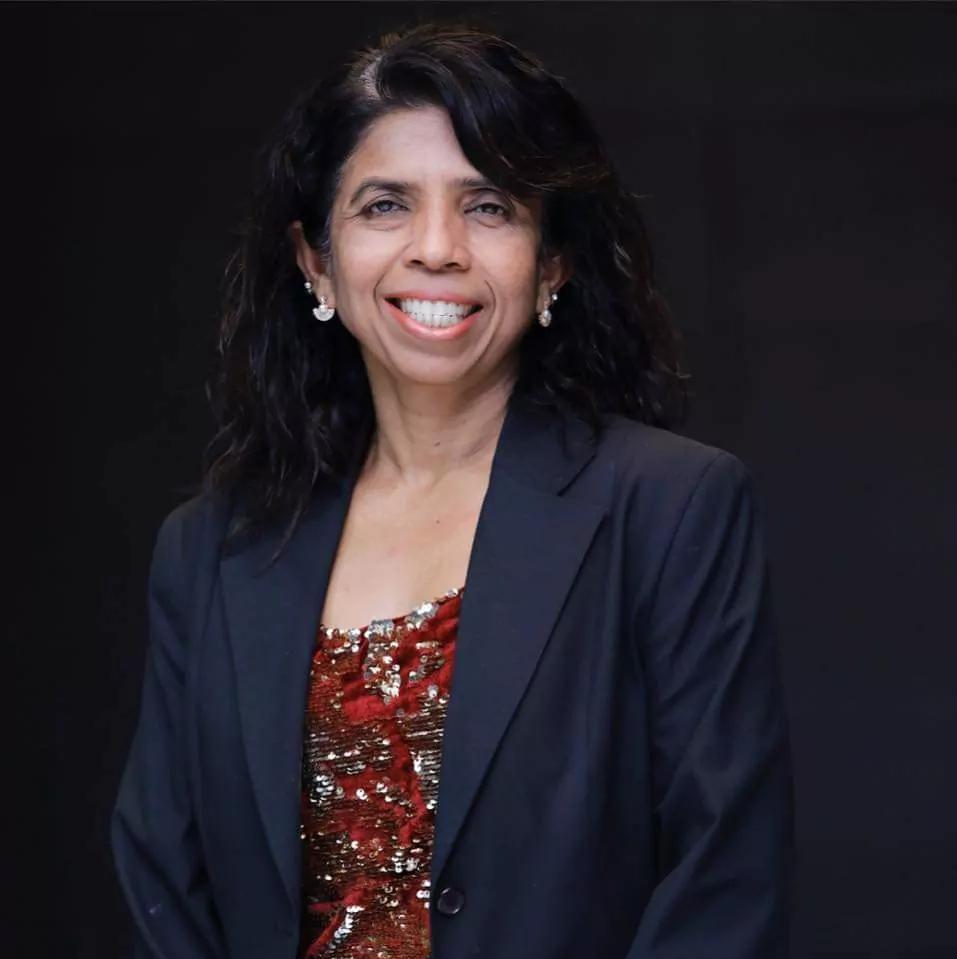
Radiation Oncologist
Dr. Swarupa Mitra – Best Neuro-Radiation Oncologist in Delhi Specializing in SRS (Stereotactic Radiosurgery) and SRT, Dr. Swarupa Mitra is a top choice in Delhi for treating brain tumors without invasive surgery. Her expertise with the MRI Linac-Unity allows for pinpoint accuracy in treating complex cranial cases. Choose Dr. Mitra for advanced, technology-driven brain cancer care.

Pain and Palliative Medicine
Dr. Megha Pruthi – Specialist for Cancer Headache & Neuropathic Pain in Delhi Dr. Megha Pruthi is Delhi’s trusted specialist for managing severe headaches and neurological pain associated with brain tumors. She is an expert in Interventional Pain Management, utilizing advanced therapies to relieve refractory pain and improve the comfort of patients facing complex neurological conditions.
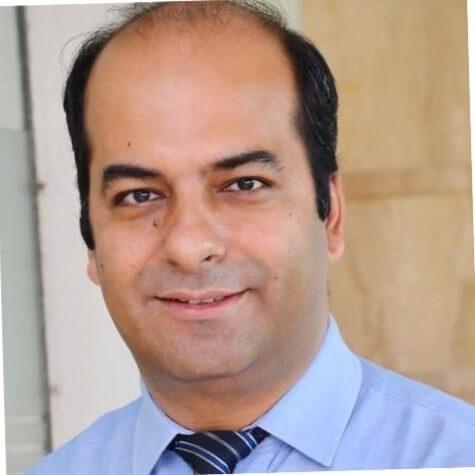
Medical Oncologist
Dr. Ankur Bahl – Expert Medical Oncologist for Brain Tumors in Delhi Dr. Ankur Bahl provides advanced Systemic Therapy and Targeted Treatment for aggressive brain cancers (Glial tumors) in Delhi. With a distinguished background from MAMC and AIIMS Delhi, he works alongside neurosurgeons to deliver comprehensive post-surgical medical care and chemotherapy for optimal patient outcomes.
Neurosurgeon
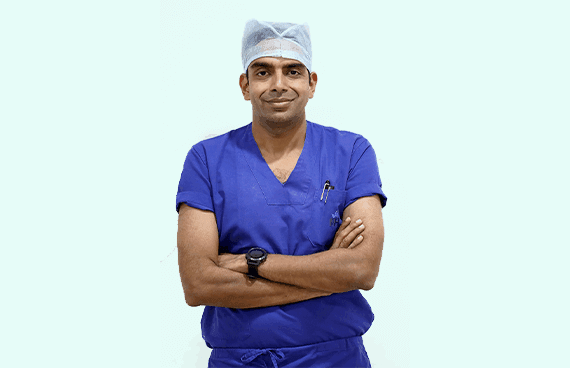
Dr. Anurag Gupta – Best Brain Tumor Surgeon in Delhi Dr. Anurag Gupta is a distinguished Neurosurgeon in Delhi with over 16 years of experience, specializing in Neuro-Oncology and Glioma Surgery. An alumnus of KMC Manipal, he is an expert in Image-Guided and Endoscopic Brain Surgery at Max Hospital, ensuring precise removal of complex tumors. Trust Dr. Gupta for the most advanced brain cancer care in the capital. With expertise in Minimally Invasive Neurosurgery, he works alongside oncologists to safely remove metastatic tumors and improve patient survival.
Medical Oncologist
Dr. Ankur Bahl – Expert Medical Oncologist for Brain Tumors in Delhi Dr. Ankur Bahl provides advanced Systemic Therapy and Targeted Treatment for aggressive brain cancers (Glial tumors) in Delhi. With a distinguished background from MAMC and AIIMS Delhi, he works alongside neurosurgeons to deliver comprehensive post-surgical medical care and chemotherapy for optimal patient outcomes.
Neurosurgeon
Dr. Anurag Gupta – Best Brain Tumor Surgeon in Delhi Dr. Anurag Gupta is a distinguished Neurosurgeon in Delhi with over 16 years of experience, specializing in Neuro-Oncology and Glioma Surgery. An alumnus of KMC Manipal, he is an expert in Image-Guided and Endoscopic Brain Surgery at Max Hospital, ensuring precise removal of complex tumors. Trust Dr. Gupta for the most advanced brain cancer care in the capital. With expertise in Minimally Invasive Neurosurgery, he works alongside oncologists to safely remove metastatic tumors and improve patient survival.
Radiation Oncologist
Dr. Swarupa Mitra – Best Neuro-Radiation Oncologist in Delhi Specializing in SRS (Stereotactic Radiosurgery) and SRT, Dr. Swarupa Mitra is a top choice in Delhi for treating brain tumors without invasive surgery. Her expertise with the MRI Linac-Unity allows for pinpoint accuracy in treating complex cranial cases. Choose Dr. Mitra for advanced, technology-driven brain cancer care.
Pain and Palliative Medicine
Dr. Megha Pruthi – Specialist for Cancer Headache & Neuropathic Pain in Delhi Dr. Megha Pruthi is Delhi’s trusted specialist for managing severe headaches and neurological pain associated with brain tumors. She is an expert in Interventional Pain Management, utilizing advanced therapies to relieve refractory pain and improve the comfort of patients facing complex neurological conditions.
Get treatment from best oncologists in Delhi for brain cancer in top hospitals. Book appointment through BigOHealth and get assisted care & priority at the hospital.
We have doctors from top institutions at these hospitals for brain cancer treatment in Delhi. The hospital names and addresses below are for reference, and appointments can be booked through BigOHealth for priority scheduling. These are among the best cancer treatment hospitals in India list that our oncologists are affiliated with.

Sector 44, Near HUDA City Centre Metro Station, Gurugram, Haryana 122003
1, Press Enclave Road, Saket Institutional Area, Saket, New Delhi, Delhi 110017

A-4, Paschim Vihar, New Delhi, Delhi 110063
Sector 128, Noida-Greater Noida Expressway, Noida, Uttar Pradesh 201304
Fortis Hospital, Sector B, Pocket 1, Aruna Asaf Ali Marg, Vasant Kunj, New Delhi, Delhi 110070
Hospital names and addresses are listed below for your reference. Book an appointment through BigOHealth and get priority appointment and support throughout your care journey. *
Should I see a neurosurgeon or neuro-oncologist? Here's who to consult first.
| Neurosurgeon | Neuro-Oncologist | |
|---|---|---|
| Primary Role | Performs brain tumor surgery and biopsy procedures | Manages chemotherapy, targeted therapy, and overall cancer care |
| When to Visit | First Step: If you have diagnosed brain tumor requiring surgical evaluation | Second Step: After surgery or for inoperable tumors |
| Key Expertise | Precise tumor removal using advanced navigation and monitoring | Molecular-based treatment and clinical trial access |
| Common Titles | Brain Surgeon, Neuro-Oncosurgeon | Neuro-Oncologist, Medical Oncologist |
Primary Role
Performs brain tumor surgery and biopsy procedures
When to Visit
First Step: If you have diagnosed brain tumor requiring surgical evaluation
Key Expertise
Precise tumor removal using advanced navigation and monitoring
Common Titles
Brain Surgeon, Neuro-Oncosurgeon
In Delhi, neurosurgeons and neuro-oncologists work closely together. Start with a neurosurgeon for surgical candidacy, who will coordinate with neuro-oncology for comprehensive care planning.
Delhi has advanced technology for brain cancer treatment. Ask your doctor if these facilities are available:
Real-time imaging during surgery ensures maximum safe tumor removal.
Non-invasive, precise radiation for inoperable or residual tumors.
IDH, MGMT, 1p/19q testing to guide personalized treatment decisions.
Speech and motor mapping during surgery to preserve critical functions.
Bevacizumab and other targeted drugs for specific tumor types.
When booking your brain cancer consultation, ask the hospital coordinator if these technologies are available at their Delhi facility. Not all hospitals have the same level of infrastructure.
What should I ask my brain cancer doctor? Here are 5 important questions for your first consultation:
Why it matters: Tumor location determines surgical feasibility and potential risks.
Why it matters: IDH, MGMT, and other markers guide treatment choices and predict outcomes.
Why it matters: Brain mapping during surgery protects critical functional areas.
Why it matters: Radiosurgery may be an option for small or inoperable tumors.
Why it matters: Speech, cognitive, and physical therapy are crucial for recovery.
Our team helps you prepare a list of important questions to ask your doctor, so you can make the most of your consultation. Message us, and we'll be happy to assist you.
Bring all MRI scans (preferably on CD/USB), biopsy reports if done, and list of current medications and symptoms to your consultation.
Selecting the right brain cancer specialist can significantly impact your treatment journey. Here are 6 important factors to help you evaluate doctors and hospitals with confidence.
Choose a neurosurgeon performing 50+ brain tumor surgeries annually with expertise in awake craniotomy for eloquent area tumors. Awake surgery with intraoperative mapping preserves speech/motor function in 85-90% cases vs 60% without mapping.
Ensure the hospital offers comprehensive molecular profiling including IDH1/2, MGMT methylation, 1p/19q codeletion, and EGFR testing within 10-14 days. These markers determine prognosis and guide temozolomide therapy decisions, impacting survival by 6-12 months.
Verify access to intraoperative MRI during surgery. Studies show iMRI increases gross total resection rates by 30-40%, directly improving progression-free survival. Ask if real-time imaging is available or if surgery requires two separate sessions.
For small tumors (<3cm) or post-surgical residual disease, confirm availability of stereotactic radiosurgery (SRS). Single-session Gamma Knife or fractionated CyberKnife offers 90-95% local control with minimal cognitive side effects vs conventional radiation.
Look for hospitals starting physiotherapy, speech therapy, and cognitive rehabilitation within 48-72 hours post-surgery. Early rehab improves functional independence by 40% and reduces hospital stay by 3-5 days. Ask about specialized neuro-rehab units.
For glioblastoma or recurrent tumors, verify participation in immunotherapy trials (checkpoint inhibitors, CAR-T, tumor-treating fields). Trial access can provide treatments 2-3 years before commercial availability. Check hospital's active neuro-oncology trial portfolio.
During your brain cancer consultation in Delhi, ask your doctor about each of these factors. These questions help you identify truly experienced specialists and well-equipped hospitals for the best brain cancer treatment outcomes.


Need help deciding best doctor for Brain Cancer
Our care team is here for you.
At BigOHealth, we provide transparent cost breakdowns that include surgery, chemotherapy, and advanced targeted therapies. By choosing a specialized Brain Cancer oncologists in Delhi, you can reduce out-of-pocket expenses while maintaining international standards of care. Costs are indicative and may vary based on tumor complexity, hospital facilities, city, and personalized treatment plan.*
N/A
N/A
Disclaimer: Indicative estimates only. Individual plans depend on clinical staging, biology & personalization.
Real experiences from Indian patients & caregivers navigating multidisciplinary cancer care.
Coordinated care, clear cost guidance and compassionate follow‑ups made a tough journey feel structured and hopeful.
Streamlined appointments, quick second opinions and transparent estimates reduced our anxiety significantly.
Streamlined appointments, quick second opinions and transparent estimates reduced our anxiety significantly.
Nutritional guidance & rehabilitation tracking helped me recover strength faster after completing therapy.
Nutritional guidance & rehabilitation tracking helped me recover strength faster after completing therapy.
Cost breakdowns were precise; I could plan insurance claims and avoid surprise expenses.
Cost breakdowns were precise; I could plan insurance claims and avoid surprise expenses.
Doctor selection filters saved time. Remote updates kept extended family informed without chaos.
Doctor selection filters saved time. Remote updates kept extended family informed without chaos.
Personalized staging explanation and therapy pathway boosted my confidence before starting cycles.
Personalized staging explanation and therapy pathway boosted my confidence before starting cycles.
Coordinated care, clear cost guidance and compassionate follow‑ups made a tough journey feel structured and hopeful.
Real work. Real impact. Embedded education & innovation content—watch videos, explore research, and see how BigOHealth advances cancer care.
Unified, compact view of symptom clusters and treatment impact. Content remains fully visible for search engines; search gently highlights matching terminology.
Early, common & advanced signs of brain cancer

Short & long-term side effects of brain cancer treatment

Informational reference only; seek urgent care for severe or rapidly worsening symptoms.
Get your Brain Cancer systematically reviewed through a multidisciplinary tumor board, where surgical, medical, and radiation oncologists collectively evaluate reports, imaging, and pathology to support evidence-based treatment planning personalised for you.
Clear, patient‑friendly answers to common brain cancer queries. All FAQs are visible (no accordion) for easy scanning and search optimization.
Brain cancer occurs when brain cells start growing in an uncontrolled way and form a harmful mass. These abnormal cells disturb normal brain functions. It can happen due to genetic changes, radiation, or unknown reasons.
A brain tumor happens when healthy brain cells begin to multiply abnormally. This may be linked to genetic mutations, radiation exposure, or random cell changes. Many tumors develop without a clear cause.
A brain tumor is a lump of abnormal cells growing inside or around the brain. It can be non-cancerous (benign) or cancerous (malignant). Both types can cause symptoms by pressing on brain tissues.
Most brain cancers are not inherited, but some rare genetic disorders can increase risk. Many patients have no family history of the disease. In most cases, the cause is not fully understood.
The WHO classifies brain tumors into Grades 1 to 4 based on the type of cells and how fast they grow. Lower grades grow slowly, while higher grades are more aggressive. This classification helps doctors decide the best treatment.
Brain cancer is caused when brain cells develop DNA changes and start growing uncontrollably. Radiation, genetics, and environmental factors may contribute. Often, the exact cause remains unknown.
On MRI or CT scans, a brain tumor appears as an unusual mass or lump inside the brain. Its size and shape differ depending on the type. It may push or compress nearby brain areas.
Blood tests cannot directly confirm brain cancer. Doctors mainly rely on MRI and CT scans for diagnosis. Blood tests are used only to rule out other problems or check overall health.
India's best cancer hospitals for treatment include AIIMS Cancer Institute New Delhi (All India Institute of Medical Sciences), Tata Memorial Hospital Mumbai — the top cancer treatment hospital in India for volume and research — Rajiv Gandhi Cancer Institute & Research Centre (RGCI) Delhi, Adyar Cancer Institute Chennai, and Cancer Institute (WIA) Chennai. Tata Memorial Hospital Mumbai is widely regarded as the best cancer hospital in Mumbai and one of the finest in Asia for top cancer care. BigOHealth connects patients seeking second opinions from or alternatives to these top cancer hospitals in India with verified oncologists for consultations and tumor board reviews online.
You can consult a verified medical oncologist online in India through BigOHealth without visiting a hospital in person. Share your medical reports, diagnosis details, and symptoms, and our team connects you with a specialist for a video consultation. This gives you access to expert oncology opinions from anywhere in India, along with guidance on treatment options, costs, and next steps.
No, seeing an oncologist does not automatically mean you need chemotherapy. Oncologists evaluate your specific diagnosis, cancer type, and stage before recommending treatment. Depending on your case, the plan may include surgery, radiation, hormone therapy, targeted therapy, active surveillance, or a combination — chemotherapy is only one of several possible options.
Educational guidance only; consult qualified oncology professionals for personalized medical advice.
Need help deciding best doctor for Brain Cancer
Our care team is here for you.