What is skin cancer?
Skin cancer is the abnormal growth of skin cells, usually caused by damage from UV radiation. The three main types are basal cell carcinoma, squamous cell carcinoma, and melanoma. Melanoma is the most dangerous type.
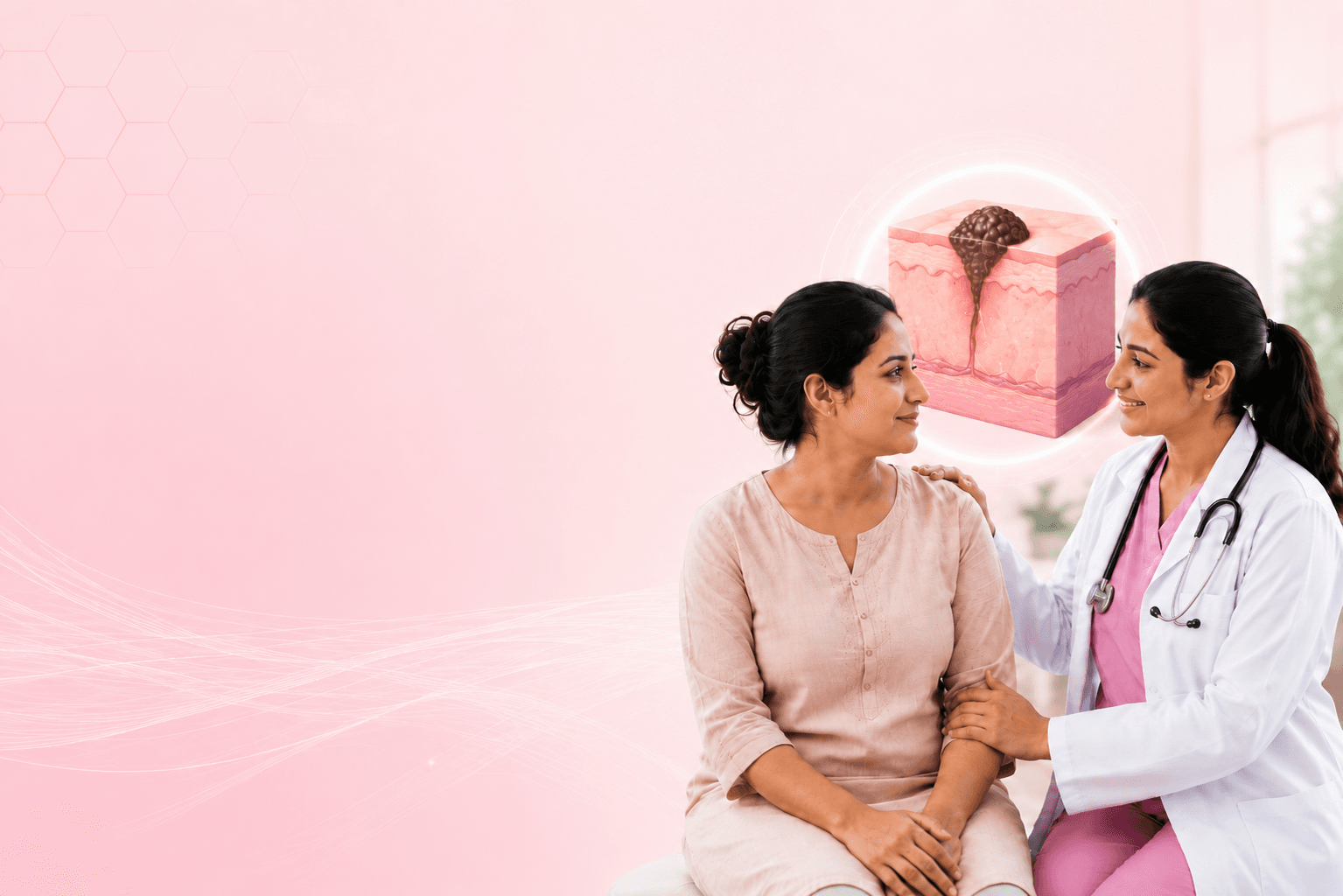
Consult our curated network of highly qualified cancer specialists trained at AIIMS (New Delhi), Tata Memorial Centre (Mumbai), Rajiv Gandhi Cancer Institute, and other leading oncology centers.
Our specialists hold advanced qualifications including MD, DM, and M.Ch. degrees.
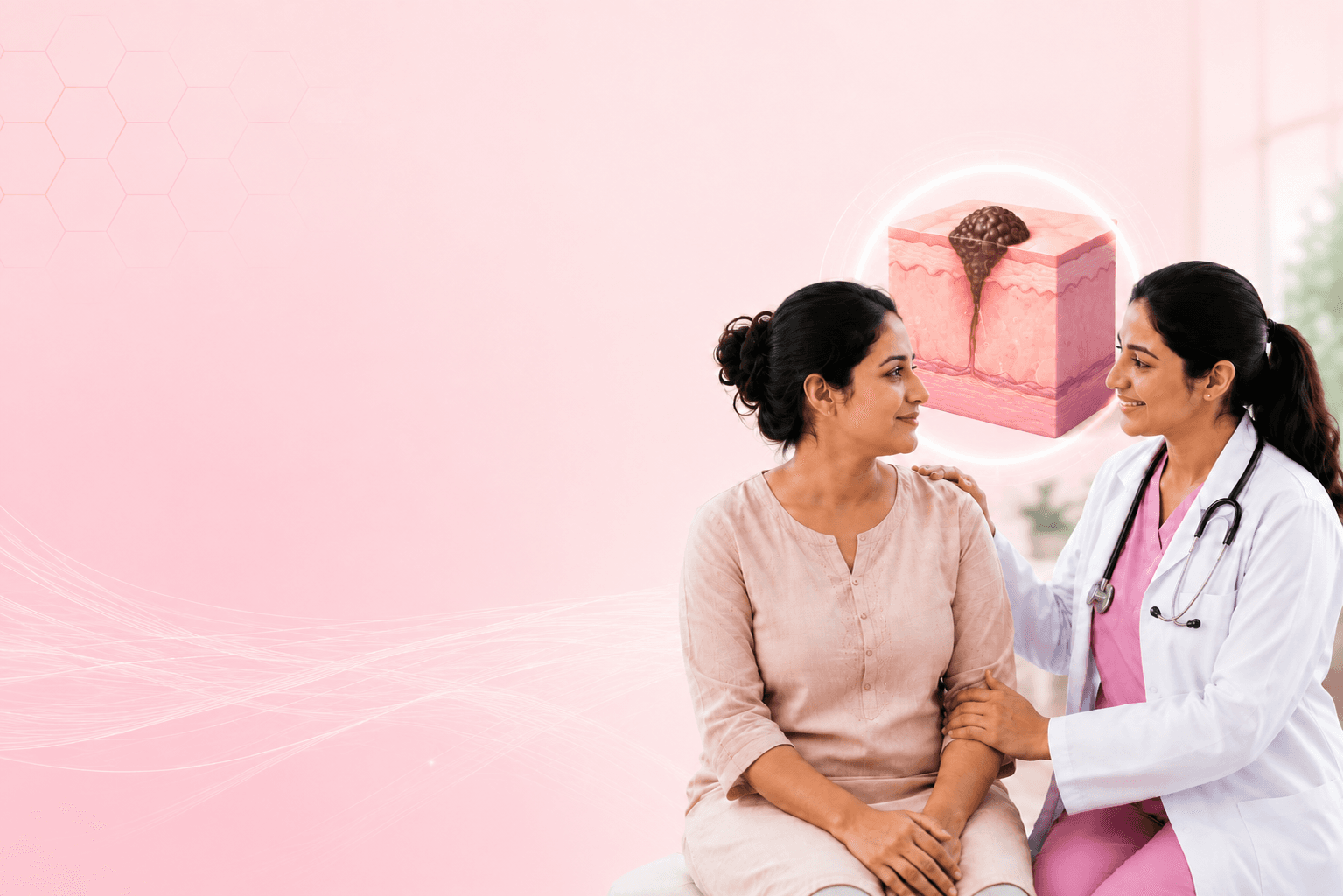
Consult our curated network of highly qualified cancer specialists trained at AIIMS (New Delhi), Tata Memorial Centre (Mumbai), Rajiv Gandhi Cancer Institute, and other leading oncology centers.
Our specialists hold advanced qualifications including MD, DM, and M.Ch. degrees.
Book Appointment with best doctors for Skin Cancer in Gurugram & get priority at the hospital through BigOHealth
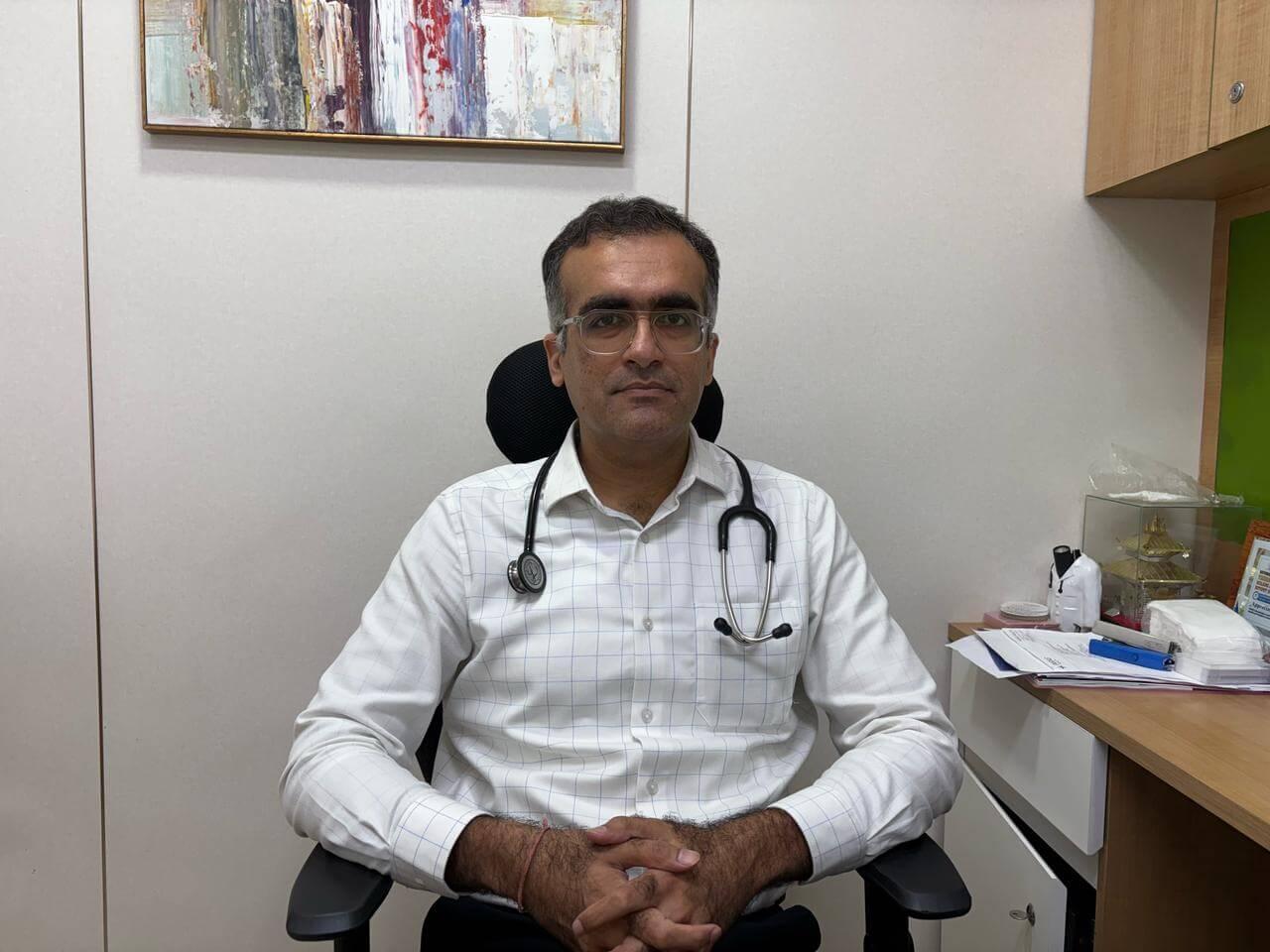
Hemato Oncologist
Dr. Gaurav Dixit – Best Blood Cancer & BMT Specialist in Delhi Dr. Gaurav Dixit is a leading Hematologist and BMT Physician in Delhi, renowned for performing over 500 Bone Marrow Transplants. With prestigious training from AIIMS (Delhi) and CMC Vellore, plus a Mayo Clinic (USA) certification in Multiple Myeloma, he offers world-class care for Leukemia and Lymphoma. Consult Dr. Dixit for expert blood cancer management.
Oncologist
Dr. Suman is a distinguished Senior Consultant Medical Oncologist at the Fortis Memorial Research Institute (FMRI), Gurugram, with an illustrious career spanning over 10 years of clinical excellence. Her professional journey is defined by high-level international experience, notably serving as a Consultant Medical Oncologist at The Christie Hospital in Manchester, UK, which is recognized as Europe’s largest single-site comprehensive cancer center. During her tenure in the UK, she completed a prestigious Clinical Research Fellowship in Gynaecological Malignancies and actively contributed as a sub-investigator to numerous Phase 1-3 clinical trials, staying at the forefront of oncological innovation. Beyond her core expertise in Gynae-oncology, she possesses specialized clinical interest in Neuro-oncology and Colorectal cancers, further bolstered by a clinical observership at the Salford Royal Hospital (UK) focused on optimizing parenteral nutrition for Malignant Bowel Obstruction. Dr. Suman is a firm advocate for a holistic treatment model, asserting that effective cancer management must transcend medication to encompass the emotional and mental well-being of the individual. Her practice is governed by a patient-first philosophy, where the preservation of a patient’s quality of life is the paramount priority at every stage of the therapeutic journey.
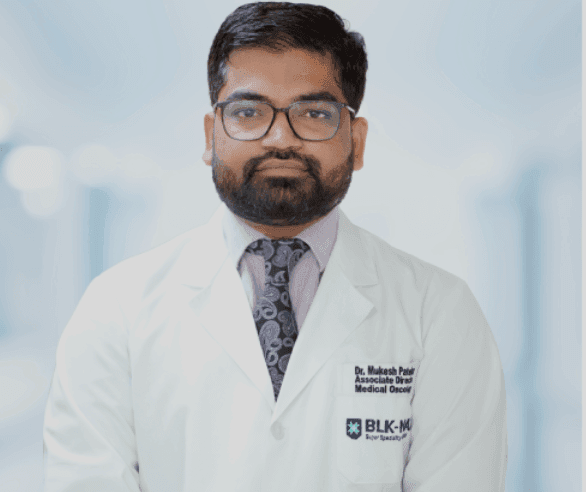
Medical Oncologist
Dr. Mukesh Patekar is among the experienced Medical Oncologists with over 8 years of expertise in cancer care. He currently serves as Associate Director – Medical Oncology at Max Healthcare, Gurugram, and is known for providing comprehensive, evidence-based treatment tailored to each patient. He has extensive experience in treating breast cancer, thoracic cancers, gastrointestinal cancers, hepato-pancreato-biliary malignancies, gynecological cancers, neuro-oncology cases, and hematological cancers such as lymphoma and leukemia. Dr. Patekar is skilled in modern cancer treatments including chemotherapy, immunotherapy, targeted therapy, and precision oncology, focusing on improving treatment outcomes and quality of life for patients. He completed his DM in Medical Oncology and MD in General Medicine from AIIMS, New Delhi, after earning his MBBS from RCSM Government Medical College, Kolhapur. He is also an active member of leading oncology organizations including ASCO, ESMO, and ISMPO.
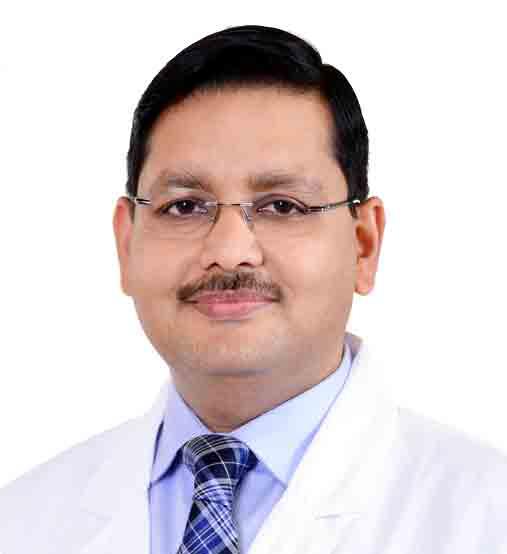
Surgical Oncologist
Dr. Vedant Kabra – Best Surgical Oncologist in Gurugram Dr. Vedant Kabra is a highly renowned Surgical Oncologist in Gurugram with over 25 years of experience in performing complex cancer surgeries with precision and expertise. His extensive training from top institutions like Tata Memorial Hospital (Mumbai) and National Cancer Centre (Singapore) makes him one of the most sought-after cancer surgeons in India. Dr. Kabra holds prestigious qualifications, including MBBS (BHU Varanasi, 1995), MS in General Surgery (BHU Varanasi, 1998), and a Surgical Oncology Fellowship from Tata Memorial Hospital (2003). He has also trained internationally as a Clinical Fellow and Associate at the National Cancer Centre, Singapore (2006), enhancing his expertise in advanced oncological procedures. As a leading cancer surgeon in Gurugram, Dr. Kabra specializes in minimally invasive, robotic, and organ-preserving cancer surgeries, ensuring optimal patient outcomes and faster recovery. Book appointment for Dr. Vedant Kabra through BigOHealth app for seamless experience at the hospital.
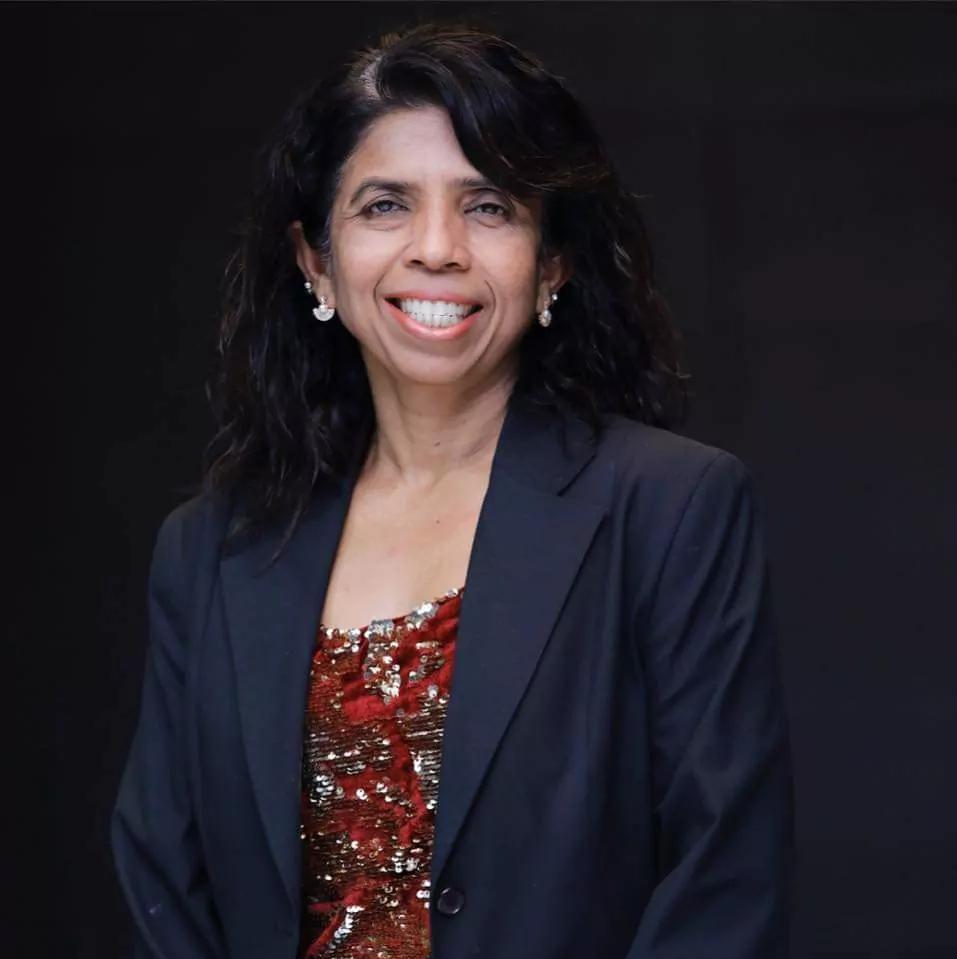
Radiation Oncologist
Dr. Swarupa Mitra is one of the best Radiation Oncologist in India. She is currently working as Director & Unit Head of Radiation Oncology at Fortis Memorial Research Institute, Gurugram (prviously known as Gurugaon). With vast experience of more than 23 years in field of Radiation Oncology, Dr. Swarupa Mitra is one of the most sought after doctors in her field. She has the experience of with experience in treating cancer patients with advanced technologies Dr Swarupa Mitra has been a Nominated Member of Project Advisory committee For Health Communication, Dept Of Science and Technology, Govt Of India. She has been associated with various research projects in Oncology treatment and Cancer registry. She is the Principal Investigator and also co-investigator in several Research Projects with ICMR (Indian Council Of Medical Research) and has published several research papers in international journals. Book appointment with Dr. Swarupa Mitra through BigOHealth app for seamless experience at the hospital.
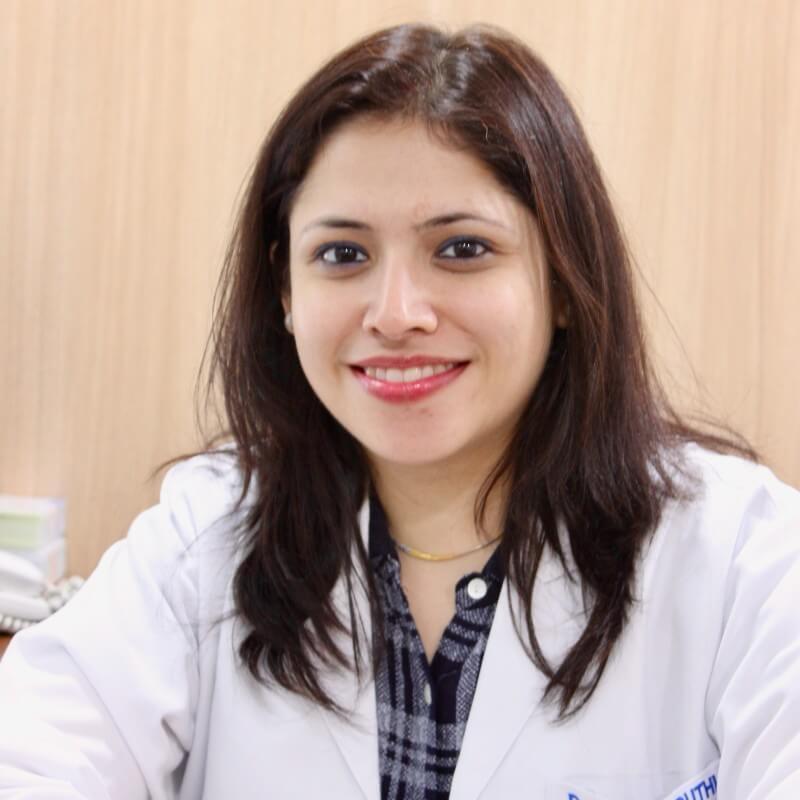
Pain and Palliative Medicine
Dr. Megha Pruthi is a well-known chronic pain and palliative medicine specialist. With over 12 years of experience in renowned hospitals like Max, Fortis etc, she is known for her comprehensive assessment and treatment of various pain conditions. Dr. Megha is deeply compassionate, prioritising the alleviation of her patients' suffering through the latest evidence-based approaches. Embracing a multidisciplinary philosophy, she insists on addressing not only the physical but also the psychological, social, and spiritual aspects of pain, providing holistic care with thorough evaluation, effective management, and transparent communication. Her areas of expertise include cancer pain, spine disorders, refractory pain, complex symptom management, end-of-life care, and interventional pain procedures. Additionally, Dr. Megha is dedicated to education, regularly participating as faculty in national and international conferences, workshops, and symposiums. She serves as an Honorary Tutor in Palliative Medicine at the School of Medicine, Cardiff University, UK, and is particularly interested in research involving questionnaire development, validation, and cross-cultural adaptation.
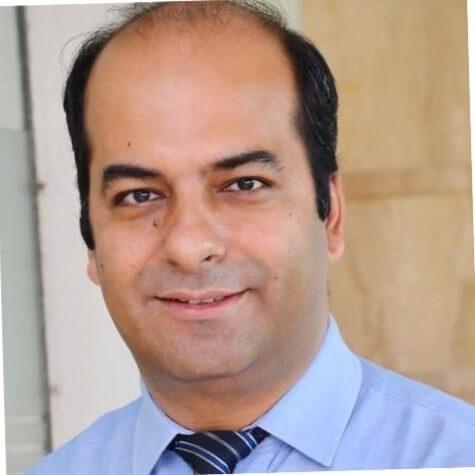
Medical Oncologist
Dr. Ankur Bahl – Best Medical Oncologist in Gurugram Dr. Ankur Bahl is a highly experienced Medical Oncologist with over 15 years of expertise in diagnosing and treating various types of cancers. He specializes in Immunotherapy, Targeted Therapy, Chemotherapy, and Hormonal Therapy, offering cutting-edge, personalized treatment plans for patients battling cancer. Dr. Bahl holds prestigious medical qualifications, including MBBS, MD (Medicine), and DM (Medical Oncology - from AIIMS New Delhi). He has been associated with top-tier medical institutions such as Rajiv Gandhi Cancer Institute and Research Centre and Maulana Azad Medical College, where he honed his expertise in advanced cancer treatment protocols. As a leading cancer specialist in Gurugram, Dr. Bahl is dedicated to providing comprehensive and compassionate cancer care, ensuring the best possible outcomes for his patients. His clinical approach integrates the latest advancements in oncology, making him a trusted choice for individuals seeking expert cancer treatment. Book appointment for Dr. Ankut Bahl through BigOHealth app for seamless experience at the hospital.
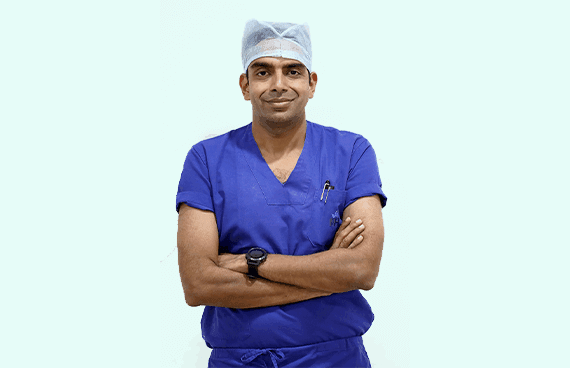
Neurosurgeon
Dr. Anurag Gupta is a distinguished neurosurgeon and minimally invasive spine surgeon with a remarkable career spanning over 16 years. He completed his MBBS, MS, and MCh in Neurosurgery from Kasturba Medical College (KMC) in Manipal, where he acquired comprehensive knowledge and advanced skills in neurosurgical techniques. As an associate director & unit head at Max Super Speciality Hospital Saket, Dr. Gupta holds a prominent position in the field of neurosurgery. He is widely recognized for his expertise, dedication, and commitment to delivering exceptional patient care. Dr. Gupta's areas of specialization include neurosurgery and minimally invasive spine surgery, where he employs the latest advancements and techniques to achieve optimal surgical outcomes. Throughout his illustrious career, Dr. Anurag Gupta has demonstrated a deep understanding of complex neurological conditions and spinal disorders. He is renowned for his proficiency in diagnosing and treating various neurological ailments, including brain tumors, spinal cord injuries, degenerative spine conditions, and cerebrovascular diseases. Dr. Anurag's commitment to excellence extends beyond his clinical practice. He actively engages in research, education, and training initiatives to contribute to the advancement of neurosurgical techniques and improve patient care standards. His leadership and expertise have earned him the respect and admiration of his peers and patients alike. Book appointment with Dr. Anurag Gupta through BigOHealth app for seamless experience at the hospital.
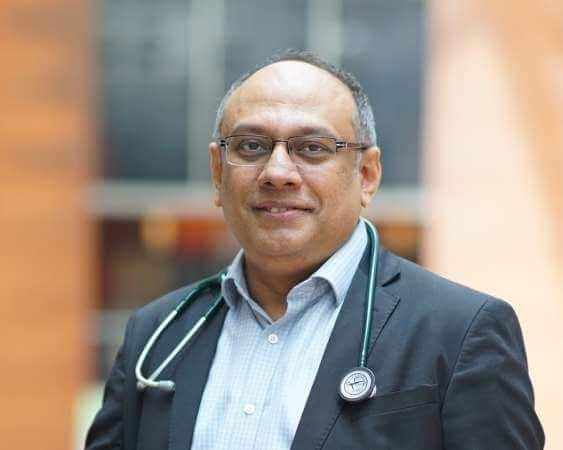
Hematologist
Dr. Rahul Bhargava – Best Blood Cancer & BMT Specialist in Delhi Dr. Rahul Bhargava is one of Delhi's top Hematologists and Stem Cell Transplant experts, having completed over 1,500 successful transplants. An AIIMS New Delhi alumni with 23+ years of experience, he leads India’s premier BMT program, offering advanced low-cost treatments for Leukemia, Lymphoma, and Myeloma.
Oncologist
Dr. Suman is a distinguished Senior Consultant Medical Oncologist at the Fortis Memorial Research Institute (FMRI), Gurugram, with an illustrious career spanning over 10 years of clinical excellence. Her professional journey is defined by high-level international experience, notably serving as a Consultant Medical Oncologist at The Christie Hospital in Manchester, UK, which is recognized as Europe’s largest single-site comprehensive cancer center. During her tenure in the UK, she completed a prestigious Clinical Research Fellowship in Gynaecological Malignancies and actively contributed as a sub-investigator to numerous Phase 1-3 clinical trials, staying at the forefront of oncological innovation. Beyond her core expertise in Gynae-oncology, she possesses specialized clinical interest in Neuro-oncology and Colorectal cancers, further bolstered by a clinical observership at the Salford Royal Hospital (UK) focused on optimizing parenteral nutrition for Malignant Bowel Obstruction. Dr. Suman is a firm advocate for a holistic treatment model, asserting that effective cancer management must transcend medication to encompass the emotional and mental well-being of the individual. Her practice is governed by a patient-first philosophy, where the preservation of a patient’s quality of life is the paramount priority at every stage of the therapeutic journey.
Medical Oncologist
Dr. Mukesh Patekar is among the experienced Medical Oncologists with over 8 years of expertise in cancer care. He currently serves as Associate Director – Medical Oncology at Max Healthcare, Gurugram, and is known for providing comprehensive, evidence-based treatment tailored to each patient. He has extensive experience in treating breast cancer, thoracic cancers, gastrointestinal cancers, hepato-pancreato-biliary malignancies, gynecological cancers, neuro-oncology cases, and hematological cancers such as lymphoma and leukemia. Dr. Patekar is skilled in modern cancer treatments including chemotherapy, immunotherapy, targeted therapy, and precision oncology, focusing on improving treatment outcomes and quality of life for patients. He completed his DM in Medical Oncology and MD in General Medicine from AIIMS, New Delhi, after earning his MBBS from RCSM Government Medical College, Kolhapur. He is also an active member of leading oncology organizations including ASCO, ESMO, and ISMPO.
Medical Oncologist
Dr. Ankur Bahl – Best Medical Oncologist in Gurugram Dr. Ankur Bahl is a highly experienced Medical Oncologist with over 15 years of expertise in diagnosing and treating various types of cancers. He specializes in Immunotherapy, Targeted Therapy, Chemotherapy, and Hormonal Therapy, offering cutting-edge, personalized treatment plans for patients battling cancer. Dr. Bahl holds prestigious medical qualifications, including MBBS, MD (Medicine), and DM (Medical Oncology - from AIIMS New Delhi). He has been associated with top-tier medical institutions such as Rajiv Gandhi Cancer Institute and Research Centre and Maulana Azad Medical College, where he honed his expertise in advanced cancer treatment protocols. As a leading cancer specialist in Gurugram, Dr. Bahl is dedicated to providing comprehensive and compassionate cancer care, ensuring the best possible outcomes for his patients. His clinical approach integrates the latest advancements in oncology, making him a trusted choice for individuals seeking expert cancer treatment. Book appointment for Dr. Ankut Bahl through BigOHealth app for seamless experience at the hospital.
Surgical Oncologist
Dr. Vedant Kabra – Best Surgical Oncologist in Gurugram Dr. Vedant Kabra is a highly renowned Surgical Oncologist in Gurugram with over 25 years of experience in performing complex cancer surgeries with precision and expertise. His extensive training from top institutions like Tata Memorial Hospital (Mumbai) and National Cancer Centre (Singapore) makes him one of the most sought-after cancer surgeons in India. Dr. Kabra holds prestigious qualifications, including MBBS (BHU Varanasi, 1995), MS in General Surgery (BHU Varanasi, 1998), and a Surgical Oncology Fellowship from Tata Memorial Hospital (2003). He has also trained internationally as a Clinical Fellow and Associate at the National Cancer Centre, Singapore (2006), enhancing his expertise in advanced oncological procedures. As a leading cancer surgeon in Gurugram, Dr. Kabra specializes in minimally invasive, robotic, and organ-preserving cancer surgeries, ensuring optimal patient outcomes and faster recovery. Book appointment for Dr. Vedant Kabra through BigOHealth app for seamless experience at the hospital.
Neurosurgeon
Dr. Anurag Gupta is a distinguished neurosurgeon and minimally invasive spine surgeon with a remarkable career spanning over 16 years. He completed his MBBS, MS, and MCh in Neurosurgery from Kasturba Medical College (KMC) in Manipal, where he acquired comprehensive knowledge and advanced skills in neurosurgical techniques. As an associate director & unit head at Max Super Speciality Hospital Saket, Dr. Gupta holds a prominent position in the field of neurosurgery. He is widely recognized for his expertise, dedication, and commitment to delivering exceptional patient care. Dr. Gupta's areas of specialization include neurosurgery and minimally invasive spine surgery, where he employs the latest advancements and techniques to achieve optimal surgical outcomes. Throughout his illustrious career, Dr. Anurag Gupta has demonstrated a deep understanding of complex neurological conditions and spinal disorders. He is renowned for his proficiency in diagnosing and treating various neurological ailments, including brain tumors, spinal cord injuries, degenerative spine conditions, and cerebrovascular diseases. Dr. Anurag's commitment to excellence extends beyond his clinical practice. He actively engages in research, education, and training initiatives to contribute to the advancement of neurosurgical techniques and improve patient care standards. His leadership and expertise have earned him the respect and admiration of his peers and patients alike. Book appointment with Dr. Anurag Gupta through BigOHealth app for seamless experience at the hospital.
Radiation Oncologist
Dr. Swarupa Mitra is one of the best Radiation Oncologist in India. She is currently working as Director & Unit Head of Radiation Oncology at Fortis Memorial Research Institute, Gurugram (prviously known as Gurugaon). With vast experience of more than 23 years in field of Radiation Oncology, Dr. Swarupa Mitra is one of the most sought after doctors in her field. She has the experience of with experience in treating cancer patients with advanced technologies Dr Swarupa Mitra has been a Nominated Member of Project Advisory committee For Health Communication, Dept Of Science and Technology, Govt Of India. She has been associated with various research projects in Oncology treatment and Cancer registry. She is the Principal Investigator and also co-investigator in several Research Projects with ICMR (Indian Council Of Medical Research) and has published several research papers in international journals. Book appointment with Dr. Swarupa Mitra through BigOHealth app for seamless experience at the hospital.
Hemato Oncologist
Dr. Gaurav Dixit – Best Blood Cancer & BMT Specialist in Delhi Dr. Gaurav Dixit is a leading Hematologist and BMT Physician in Delhi, renowned for performing over 500 Bone Marrow Transplants. With prestigious training from AIIMS (Delhi) and CMC Vellore, plus a Mayo Clinic (USA) certification in Multiple Myeloma, he offers world-class care for Leukemia and Lymphoma. Consult Dr. Dixit for expert blood cancer management.
Hematologist
Dr. Rahul Bhargava – Best Blood Cancer & BMT Specialist in Delhi Dr. Rahul Bhargava is one of Delhi's top Hematologists and Stem Cell Transplant experts, having completed over 1,500 successful transplants. An AIIMS New Delhi alumni with 23+ years of experience, he leads India’s premier BMT program, offering advanced low-cost treatments for Leukemia, Lymphoma, and Myeloma.
Pain and Palliative Medicine
Dr. Megha Pruthi is a well-known chronic pain and palliative medicine specialist. With over 12 years of experience in renowned hospitals like Max, Fortis etc, she is known for her comprehensive assessment and treatment of various pain conditions. Dr. Megha is deeply compassionate, prioritising the alleviation of her patients' suffering through the latest evidence-based approaches. Embracing a multidisciplinary philosophy, she insists on addressing not only the physical but also the psychological, social, and spiritual aspects of pain, providing holistic care with thorough evaluation, effective management, and transparent communication. Her areas of expertise include cancer pain, spine disorders, refractory pain, complex symptom management, end-of-life care, and interventional pain procedures. Additionally, Dr. Megha is dedicated to education, regularly participating as faculty in national and international conferences, workshops, and symposiums. She serves as an Honorary Tutor in Palliative Medicine at the School of Medicine, Cardiff University, UK, and is particularly interested in research involving questionnaire development, validation, and cross-cultural adaptation.
Get treatment from best oncologists in Gurugram for skin cancer in top hospitals. Book appointment through BigOHealth and get assisted care & priority at the hospital.
We have doctors from top institutions at these hospitals for skin cancer treatment in Gurugram. The hospital names and addresses below are for reference, and appointments can be booked through BigOHealth for priority scheduling. These are among the best cancer treatment hospitals in India list that our oncologists are affiliated with.

Sector 44, Near HUDA City Centre Metro Station, Gurugram, Haryana 122003
1, Press Enclave Road, Saket Institutional Area, Saket, New Delhi, Delhi 110017

A-4, Paschim Vihar, New Delhi, Delhi 110063
Sector 128, Noida-Greater Noida Expressway, Noida, Uttar Pradesh 201304
Fortis Hospital, Sector B, Pocket 1, Aruna Asaf Ali Marg, Vasant Kunj, New Delhi, Delhi 110070
Hospital names and addresses are listed below for your reference. Book an appointment through BigOHealth and get priority appointment and support throughout your care journey. *
Should I see a dermatologist / dermato-oncologist or surgical oncologist or medical oncologist or plastic surgeon? Here's who to consult first.
| Dermatologist / Dermato-Oncologist | Surgical Oncologist | Medical Oncologist | Plastic Surgeon | |
|---|---|---|---|---|
| Primary Role | Diagnoses skin cancers, performs biopsies, treats superficial BCC/SCC | Performs wide excisions, sentinel node biopsies, lymph node dissections | Manages immunotherapy, targeted therapy for advanced melanoma | Reconstructs defects after extensive skin cancer surgery |
| When to Visit | First Step: For suspicious mole, non-healing sore, or routine skin screening | Second Step: For confirmed melanoma or invasive SCC requiring wide excision | Advanced Stage: For Stage III/IV melanoma requiring systemic therapy | Post-Surgery: For facial reconstruction or large defect closure |
| Key Expertise | Dermoscopy, excisional biopsies, cryotherapy, topical treatments, Mohs surgery | Oncologic surgery, sentinel lymph node mapping, complex reconstructions | Immunotherapy (pembrolizumab, nivolumab), BRAF/MEK inhibitors, clinical trials | Skin grafts, flaps, facial reconstruction, scar revision |
| Common Titles | Dermatologist, Dermato-Oncologist, Mohs Surgeon | Surgical Oncologist, Onco-Surgeon | Medical Oncologist, Melanoma Specialist | Plastic Surgeon, Reconstructive Surgeon |
Primary Role
Diagnoses skin cancers, performs biopsies, treats superficial BCC/SCC
When to Visit
First Step: For suspicious mole, non-healing sore, or routine skin screening
Key Expertise
Dermoscopy, excisional biopsies, cryotherapy, topical treatments, Mohs surgery
Common Titles
Dermatologist, Dermato-Oncologist, Mohs Surgeon
In Gurugram, most patients start with a dermatologist who diagnoses and treats superficial skin cancers. For melanoma or deep SCC, they'll refer to surgical oncologist for wide excision. Medical oncology involvement happens if sentinel node is positive or melanoma is thick/ulcerated. Don't delay—melanoma doubling time is 2-6 months.
Gurugram has advanced technology for skin cancer treatment. Ask your doctor if these facilities are available:
Advanced imaging technology tracks moles over time, detecting suspicious changes 6-12 months earlier than visual examination alone.
Tissue-sparing technique for facial skin cancers with 99% cure rate. Removes cancer layer-by-layer with immediate microscopic examination.
Precise identification of first-draining lymph node for melanoma staging using radioisotope and blue dye, avoiding unnecessary lymph node dissection.
Molecular testing identifying 50% of melanomas eligible for targeted therapy (dabrafenib+trametinib) with faster response than immunotherapy.
Pembrolizumab, nivolumab, and combination immunotherapy for advanced melanoma with dedicated nurses managing immune-related side effects.
Immediate reconstruction with skin grafts and flaps for large facial defects, restoring function and appearance post-skin cancer surgery.
Special imaging revealing hidden sun damage and guiding prevention strategies. Reduces second primary melanomas by 35%.
Access to novel immunotherapy combinations (anti-LAG-3, TIL therapy) and targeted therapy trials for NRAS, c-KIT mutant melanomas.
When booking your skin cancer consultation, ask the hospital coordinator if these technologies are available at their Gurugram facility. Not all hospitals have the same level of infrastructure.
What should I ask my skin cancer doctor? Here are 5 important questions for your first consultation:
Why it matters: Treatment differs dramatically. BCC rarely metastasizes; SCC can spread to lymph nodes; melanoma requires aggressive staging and adjuvant therapy.
Why it matters: Breslow depth determines prognosis and need for sentinel node biopsy. Tumors >1mm or ulcerated require lymph node staging regardless of thickness.
Why it matters: Recommended for melanoma >1mm thick or ulcerated. Identifies microscopic lymph node spread, guiding adjuvant immunotherapy decisions.
Why it matters: 50% of melanomas are BRAF V600 mutant. Qualifies for targeted therapy (dabrafenib+trametinib) offering faster response than immunotherapy in metastatic disease.
Why it matters: Melanoma margins range from 1-2cm based on thickness. Facial tumors may need Mohs surgery. Large excisions require plastic surgery consultation before surgery.
Why it matters: Mohs offers 99% cure rate with maximum tissue preservation for cosmetically sensitive areas. Not all dermatologists perform Mohs—referral may be needed.
Why it matters: Stage IIB-III melanoma benefits from 1 year of adjuvant pembrolizumab or nivolumab, reducing recurrence by 40-50%. Costs ₹18-25L annually; insurance pre-authorization needed.
Why it matters: Skin cancer patients have 35-50% lifetime risk of second primary. Understanding follow-up schedule and self-examination techniques critical for early detection.
Why it matters: First-degree relatives of melanoma patients have 2x increased risk. Recommend annual full-body skin exams. Consider genetic testing if <30 years old or multiple family members affected.
Why it matters: Lifelong sun protection mandatory. SPF 50+ daily, sun-protective clothing, UV window film in cars. Vitamin D supplementation (1000-2000 IU daily) for sun-avoiding patients.
Our team helps you prepare a list of important questions to ask your doctor, so you can make the most of your consultation. Message us, and we'll be happy to assist you.
Bring photos of the lesion taken over past 3-6 months showing growth/change. List all moles you're concerned about. If you had biopsy done elsewhere, bring pathology slides (not just report) for second opinion review. Take photos of other concerning spots during consultation.
Selecting the right skin cancer specialist can significantly impact your treatment journey. Here are 10 important factors to help you evaluate doctors and hospitals with confidence.
Choose a dermatologist trained in dermoscopy (dermatoscope examination) which improves melanoma detection by 30% vs naked eye. Ask if hospital offers baseline mole mapping with digital photography for high-risk patients (family history, >50 moles, atypical nevi). Mole mapping detects new or changing lesions 6-12 months earlier.
For BCC/SCC on face, nose, ears, or eyelids, verify availability of Mohs micrographic surgery. Mohs removes cancer layer-by-layer with immediate microscopic examination, achieving 99% cure rate while sparing maximum healthy tissue. Standard excision on face often requires larger margins and more complex reconstruction.
For melanoma >1mm thick or ulcerated, ensure surgeon performs 20+ sentinel node procedures annually. Proper technique (lymphoscintigraphy, blue dye, gamma probe) identifies sentinel nodes in 95%+ cases. False-negative rate should be <5%. High-volume centers have better nodal staging accuracy.
For Stage IIB+ melanoma, verify BRAF V600 mutation testing available within 7-10 days. 50% of melanomas are BRAF-positive, qualifying for targeted therapy (dabrafenib+trametinib) which offers faster response than immunotherapy. Also ask about NRAS, c-KIT, and PD-L1 testing for treatment selection.
For Stage III/IV melanoma, choose medical oncologists managing 30+ immunotherapy patients annually. Ask about protocol for immune-related adverse events (irAEs)—colitis, thyroiditis, hepatitis, pneumonitis. Hospitals with dedicated immunotherapy nurses and endocrinology support reduce Grade 3-4 irAEs by 40%.
Look for hospitals with plastic surgeons attending skin cancer tumor boards. Wide excisions on face, scalp, hands often require immediate reconstruction with local flaps or skin grafts. Coordinated planning reduces second-stage surgeries by 60% and improves cosmetic outcomes.
Verify availability of baseline full-body photography for melanoma patients. Total body photography (TBP) with serial comparisons detects new primaries 8-12 months earlier. Ask about follow-up schedule: every 3 months for 2 years, then every 6 months for 3 years, then annually. Missed follow-ups increase recurrence detection delay.
For Stage IV melanoma, verify participation in immunotherapy combination trials (anti-PD-1 + anti-CTLA-4, LAG-3 inhibitors, TIL therapy). Trial access provides treatments 2-3 years before approval. Check hospital's active melanoma trial portfolio and enrollment criteria.
For patients under 30 with melanoma, look for hospitals with young adult oncology programs addressing fertility preservation (egg/sperm banking before adjuvant therapy), genetic counseling (CDKN2A testing), and peer support groups. Pediatric protocols differ from adult management.
Ensure post-treatment education includes UV photography showing cumulative sun damage and personalized sun protection plan. Studies show structured counseling reduces second primary melanomas by 35%. Ask about vitamin D supplementation protocols for sun-avoiding patients.
During your skin cancer consultation in Gurugram, ask your doctor about each of these factors. These questions help you identify truly experienced specialists and well-equipped hospitals for the best skin cancer treatment outcomes.


Need help deciding best doctor for Skin Cancer
Our care team is here for you.
At BigOHealth, we provide transparent cost breakdowns that include surgery, chemotherapy, and advanced targeted therapies. By choosing a specialized Skin Cancer oncologists in Gurugram, you can reduce out-of-pocket expenses while maintaining international standards of care. Costs are indicative and vary based on cancer type, stage, surgical complexity, need for reconstruction, immunotherapy duration, and hospital infrastructure.*
N/A
N/A
Disclaimer: Indicative estimates only. Individual plans depend on clinical staging, biology & personalization.
Real experiences from Indian patients & caregivers navigating multidisciplinary cancer care.
Coordinated care, clear cost guidance and compassionate follow‑ups made a tough journey feel structured and hopeful.
Streamlined appointments, quick second opinions and transparent estimates reduced our anxiety significantly.
Streamlined appointments, quick second opinions and transparent estimates reduced our anxiety significantly.
Nutritional guidance & rehabilitation tracking helped me recover strength faster after completing therapy.
Nutritional guidance & rehabilitation tracking helped me recover strength faster after completing therapy.
Cost breakdowns were precise; I could plan insurance claims and avoid surprise expenses.
Cost breakdowns were precise; I could plan insurance claims and avoid surprise expenses.
Doctor selection filters saved time. Remote updates kept extended family informed without chaos.
Doctor selection filters saved time. Remote updates kept extended family informed without chaos.
Personalized staging explanation and therapy pathway boosted my confidence before starting cycles.
Personalized staging explanation and therapy pathway boosted my confidence before starting cycles.
Coordinated care, clear cost guidance and compassionate follow‑ups made a tough journey feel structured and hopeful.
Real work. Real impact. Embedded education & innovation content—watch videos, explore research, and see how BigOHealth advances cancer care.
Unified, compact view of symptom clusters and treatment impact. Content remains fully visible for search engines; search gently highlights matching terminology.
Early, common & advanced signs of skin cancer

Short & long-term side effects of skin cancer treatment

Informational reference only; seek urgent care for severe or rapidly worsening symptoms.
Get your Skin Cancer systematically reviewed through a multidisciplinary tumor board, where surgical, medical, and radiation oncologists collectively evaluate reports, imaging, and pathology to support evidence-based treatment planning personalised for you.
Clear, patient‑friendly answers to common skin cancer queries. All FAQs are visible (no accordion) for easy scanning and search optimization.
Skin cancer is the abnormal growth of skin cells, usually caused by damage from UV radiation. The three main types are basal cell carcinoma, squamous cell carcinoma, and melanoma. Melanoma is the most dangerous type.
Watch for new moles or growths, changes in existing moles (size, shape, color), sores that don't heal, unusual spots that itch or bleed, and asymmetrical or irregular borders. Any suspicious skin change should be examined by a doctor.
Skin cancer is mainly caused by overexposure to UV radiation from the sun or tanning beds. Other factors include fair skin, history of sunburns, family history, weakened immune system, and exposure to certain chemicals. Skin damage accumulates over time.
Yes, most skin cancers are highly curable when detected and treated early. Basal and squamous cell carcinomas respond well to simple procedures. Melanoma is also curable if caught early, but becomes harder to treat once it spreads.
A dermatologist examines suspicious spots using a dermatoscope. If cancer is suspected, a skin biopsy is done to confirm the diagnosis. The tissue sample is checked under a microscope to identify the cancer type and stage.
Prevent skin cancer by using broad-spectrum sunscreen (SPF 30+), wearing protective clothing and hats, avoiding tanning beds, seeking shade during peak sun hours, and performing regular skin self-exams. Early detection through checkups saves lives.
India's best cancer hospitals for treatment include AIIMS Cancer Institute New Delhi (All India Institute of Medical Sciences), Tata Memorial Hospital Mumbai — the top cancer treatment hospital in India for volume and research — Rajiv Gandhi Cancer Institute & Research Centre (RGCI) Delhi, Adyar Cancer Institute Chennai, and Cancer Institute (WIA) Chennai. Tata Memorial Hospital Mumbai is widely regarded as the best cancer hospital in Mumbai and one of the finest in Asia for top cancer care. BigOHealth connects patients seeking second opinions from or alternatives to these top cancer hospitals in India with verified oncologists for consultations and tumor board reviews online.
You can consult a verified medical oncologist online in India through BigOHealth without visiting a hospital in person. Share your medical reports, diagnosis details, and symptoms, and our team connects you with a specialist for a video consultation. This gives you access to expert oncology opinions from anywhere in India, along with guidance on treatment options, costs, and next steps.
No, seeing an oncologist does not automatically mean you need chemotherapy. Oncologists evaluate your specific diagnosis, cancer type, and stage before recommending treatment. Depending on your case, the plan may include surgery, radiation, hormone therapy, targeted therapy, active surveillance, or a combination — chemotherapy is only one of several possible options.
Educational guidance only; consult qualified oncology professionals for personalized medical advice.
Need help deciding best doctor for Skin Cancer
Our care team is here for you.