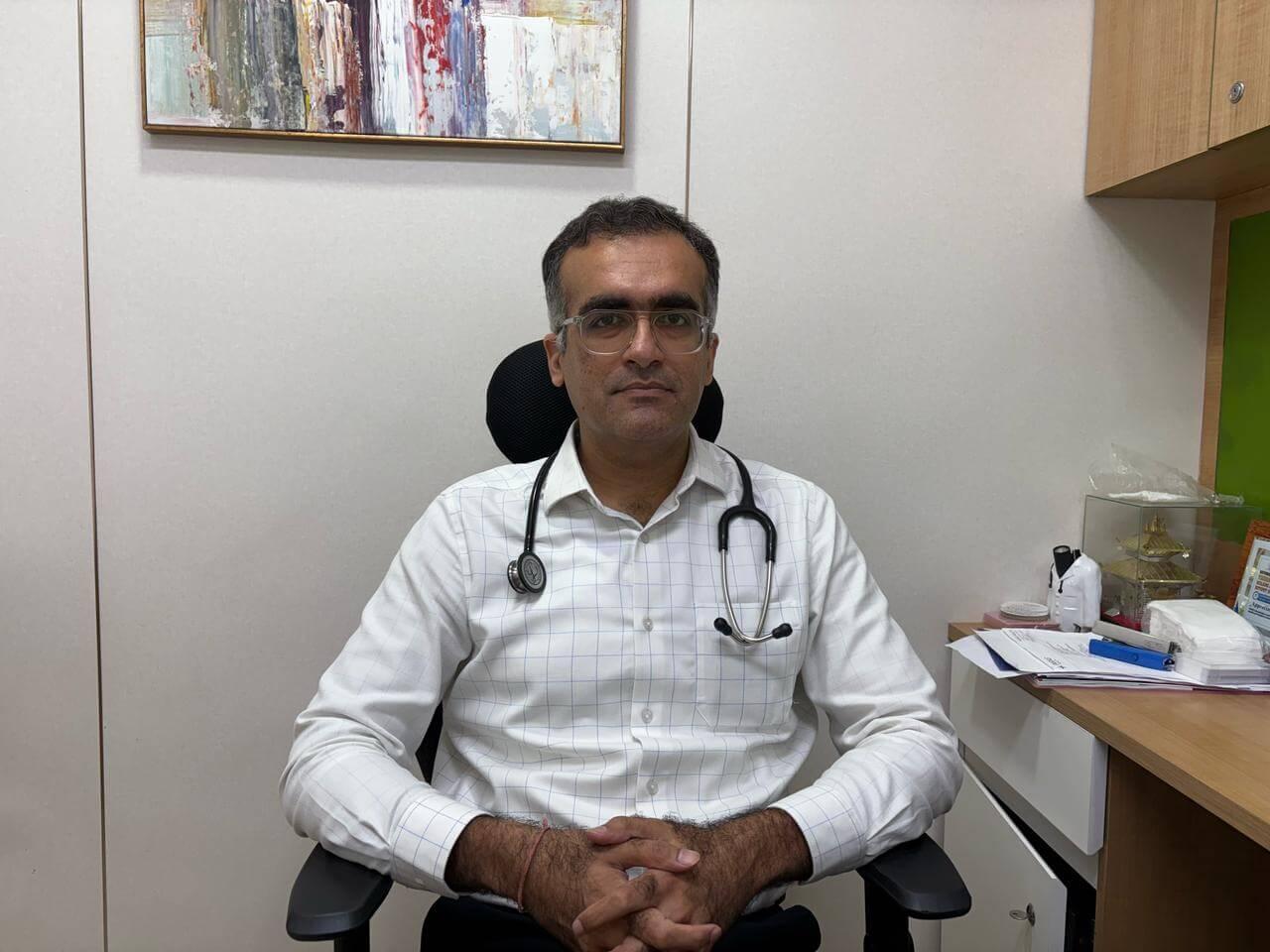
What should I ask my prostate cancer doctor? Here are 5 important questions for your first consultation:
1What is my Gleason score and Grade Group? What does this mean for my prognosis?
Why it matters: Gleason score determines cancer aggressiveness and directly influences treatment recommendations. Grade Group 1 (Gleason 6) may not need immediate treatment.
2Am I a candidate for active surveillance instead of immediate treatment?
Why it matters: For low-risk disease (PSA <10, Gleason 6, Stage T1-T2a), active surveillance avoids surgery/radiation side effects while maintaining cure opportunity. 40-50% of men qualify.
3What are my treatment options: surgery vs radiation vs hormone therapy?
Why it matters: Treatment choice depends on cancer stage, age, comorbidities, and personal priorities regarding side effects. Cure rates are similar for surgery and radiation in localized disease.
4What are the realistic chances of urinary incontinence and erectile dysfunction after treatment?
Why it matters: Honest discussion about continence (85-95% recovery) and potency (30-70% preservation) helps set expectations. Nerve-sparing surgery and early rehab improve outcomes.
5Should I get an mpMRI before deciding on biopsy or treatment?
Why it matters: Multiparametric MRI detects 30% more significant cancers and can avoid unnecessary biopsies in 25% of cases. PI-RADS score guides biopsy strategy.
6Do I need genetic testing (BRCA1/2) for my prostate cancer?
Why it matters: 10-15% of metastatic prostate cancers have BRCA mutations, qualifying for PARP inhibitor therapy. Family history of breast/ovarian cancer increases likelihood.
7If I choose radiation, what type is best for me: IMRT, SBRT, or brachytherapy?
Why it matters: SBRT offers convenience (5 sessions vs 28), brachytherapy is single-procedure option, and IMRT is standard. Choice depends on risk category and rectal/urinary baseline function.
8How will treatment affect my sexual function, and what rehabilitation options exist?
Why it matters: Early penile rehabilitation (medications, vacuum devices) within 6-8 weeks post-treatment improves erectile function recovery. Expectant waiting worsens outcomes.
9What are the side effects of hormone therapy (ADT), and how long will I need it?
Why it matters: ADT causes hot flashes, fatigue, muscle loss, osteoporosis, and cardiovascular risks. Duration ranges from 6 months (intermediate-risk) to lifelong (metastatic). Generic options reduce costs.
10Should I get a second opinion before starting treatment?
Why it matters: Prostate cancer treatment is rarely urgent. Second opinions are standard practice and help confirm diagnosis accuracy, treatment appropriateness, and explore all options including active surveillance.