What is pancreatic cancer?
Pancreatic cancer occurs when cells in the pancreas—a gland behind the stomach that produces digestive enzymes and insulin—begin growing abnormally. It is often detected late because early symptoms are vague or absent.
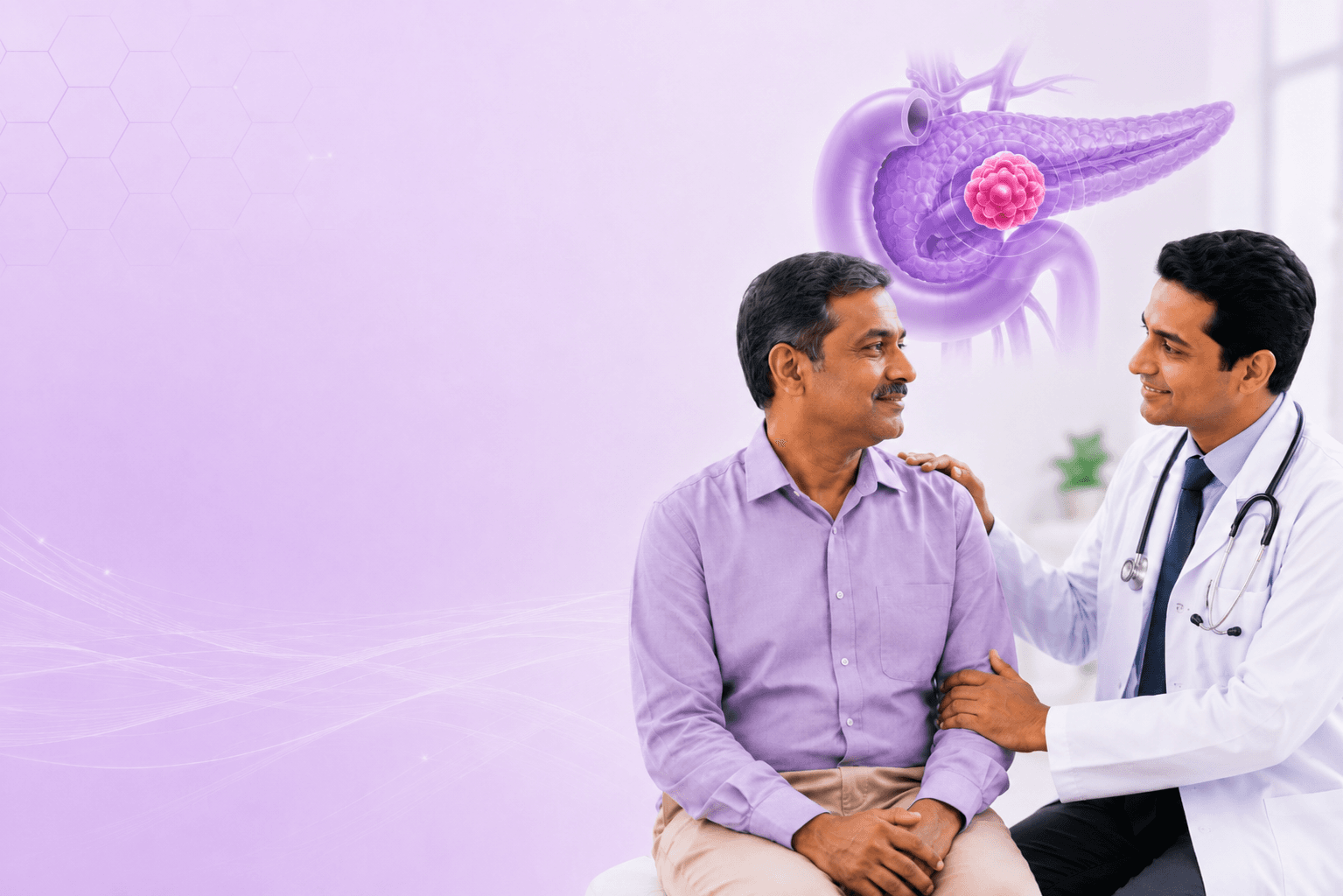
Consult our curated network of highly qualified cancer specialists trained at AIIMS (New Delhi), Tata Memorial Centre (Mumbai), Rajiv Gandhi Cancer Institute, and other leading oncology centers.
Our specialists hold advanced qualifications including MD, DM, and M.Ch. degrees.
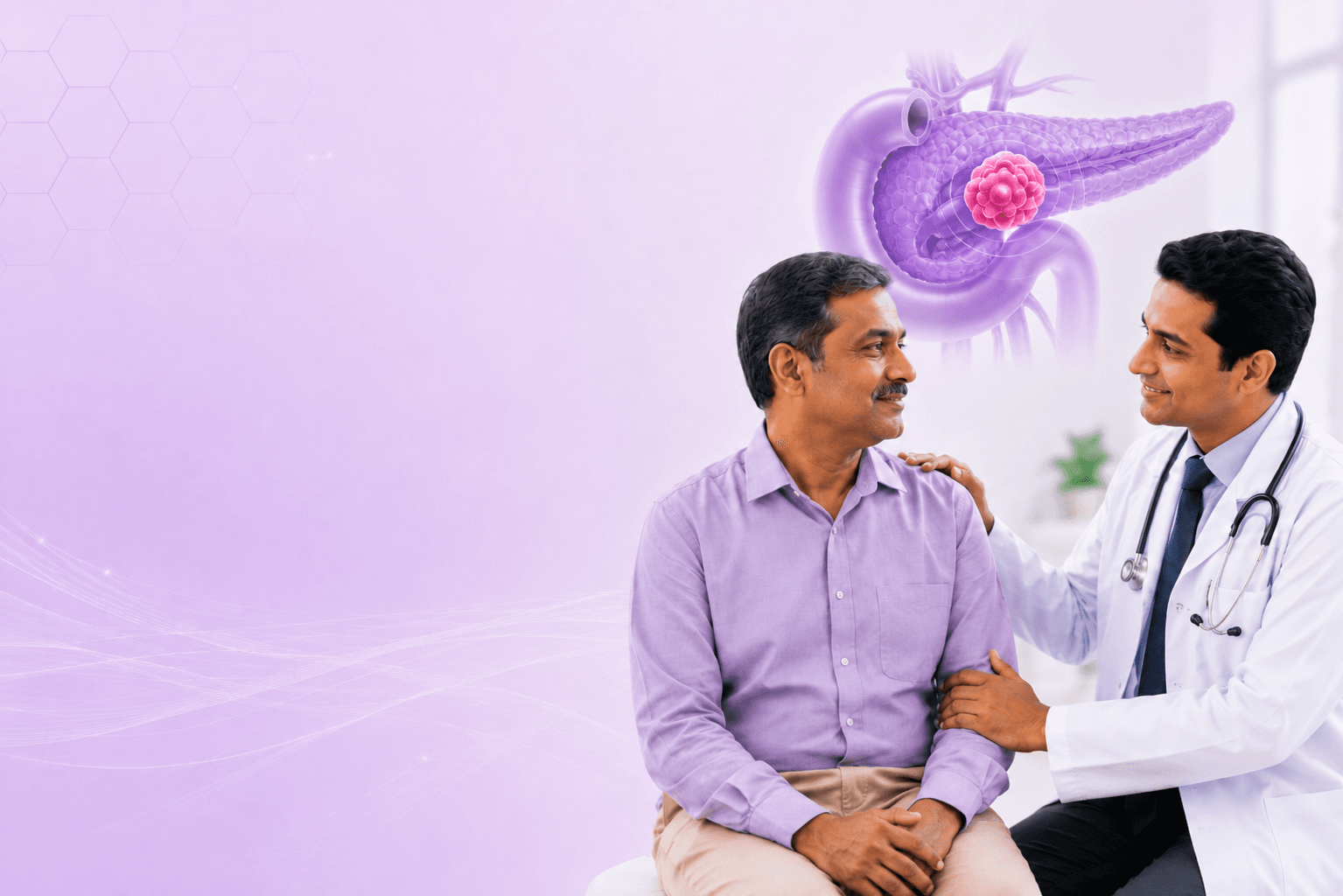
Consult our curated network of highly qualified cancer specialists trained at AIIMS (New Delhi), Tata Memorial Centre (Mumbai), Rajiv Gandhi Cancer Institute, and other leading oncology centers.
Our specialists hold advanced qualifications including MD, DM, and M.Ch. degrees.
Book Appointment with best doctors for Pancreatic Cancer in Delhi & get priority at the hospital through BigOHealth
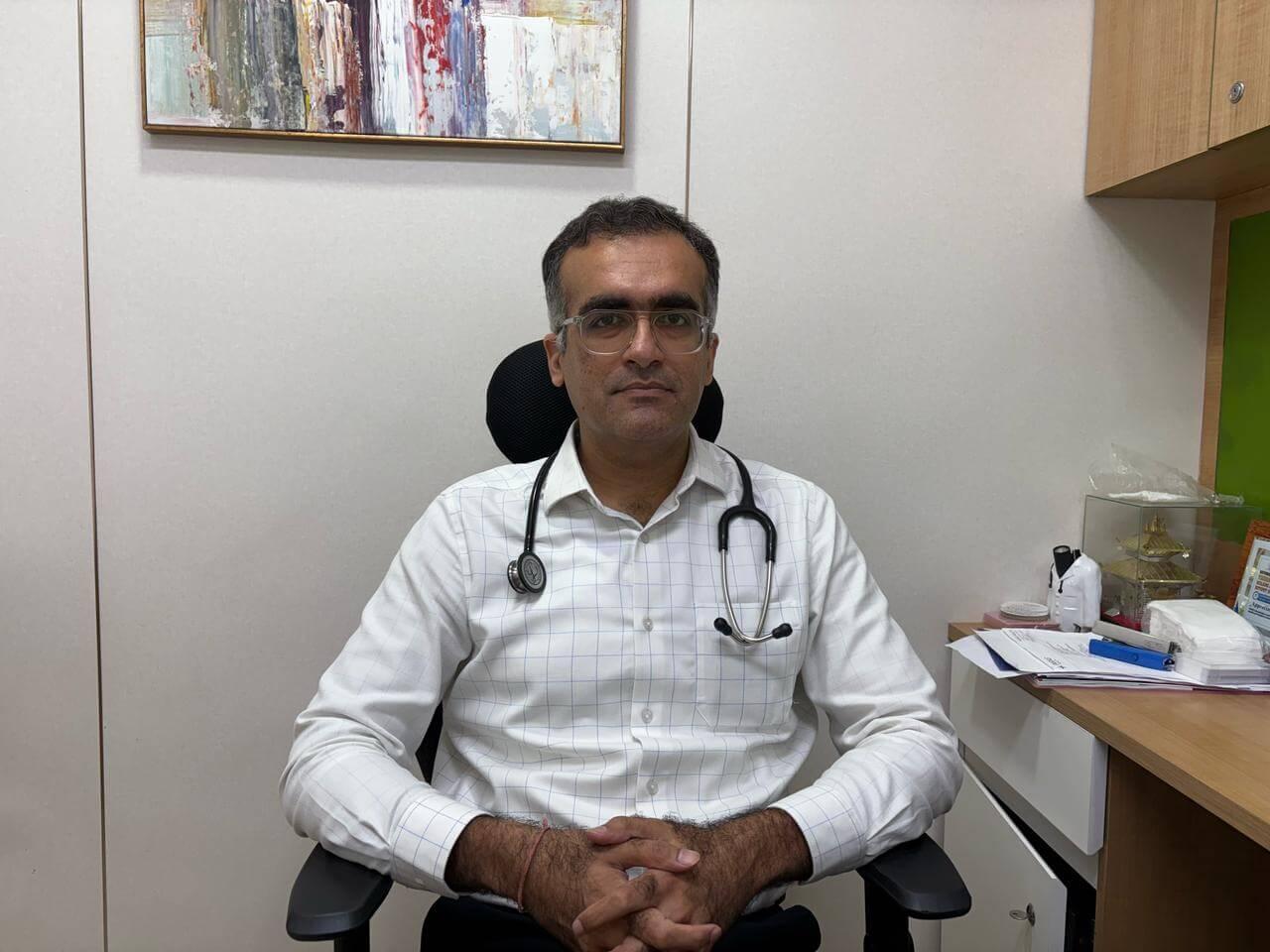
Hemato Oncologist
Dr. Gaurav Dixit – Best Blood Cancer & BMT Specialist in Delhi Dr. Gaurav Dixit is a leading Hematologist and BMT Physician in Delhi, renowned for performing over 500 Bone Marrow Transplants. With prestigious training from AIIMS (Delhi) and CMC Vellore, plus a Mayo Clinic (USA) certification in Multiple Myeloma, he offers world-class care for Leukemia and Lymphoma. Consult Dr. Dixit for expert blood cancer management.

Oncologist
Dr. Suman is a distinguished Senior Consultant Medical Oncologist at the Fortis Memorial Research Institute (FMRI), Gurugram, with an illustrious career spanning over 10 years of clinical excellence. Her professional journey is defined by high-level international experience, notably serving as a Consultant Medical Oncologist at The Christie Hospital in Manchester, UK, which is recognized as Europe’s largest single-site comprehensive cancer center. During her tenure in the UK, she completed a prestigious Clinical Research Fellowship in Gynaecological Malignancies and actively contributed as a sub-investigator to numerous Phase 1-3 clinical trials, staying at the forefront of oncological innovation. Beyond her core expertise in Gynae-oncology, she possesses specialized clinical interest in Neuro-oncology and Colorectal cancers, further bolstered by a clinical observership at the Salford Royal Hospital (UK) focused on optimizing parenteral nutrition for Malignant Bowel Obstruction. Dr. Suman is a firm advocate for a holistic treatment model, asserting that effective cancer management must transcend medication to encompass the emotional and mental well-being of the individual. Her practice is governed by a patient-first philosophy, where the preservation of a patient’s quality of life is the paramount priority at every stage of the therapeutic journey.
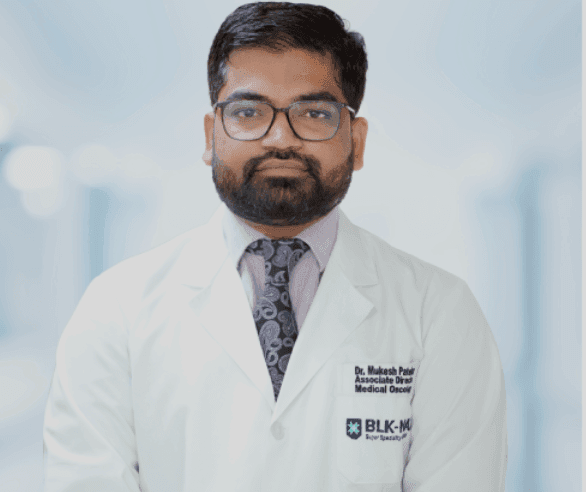
Medical Oncologist
Dr. Mukesh Patekar is among the experienced Medical Oncologists with over 8 years of expertise in cancer care. He currently serves as Associate Director – Medical Oncology at Max Healthcare, Gurugram, and is known for providing comprehensive, evidence-based treatment tailored to each patient. He has extensive experience in treating breast cancer, thoracic cancers, gastrointestinal cancers, hepato-pancreato-biliary malignancies, gynecological cancers, neuro-oncology cases, and hematological cancers such as lymphoma and leukemia. Dr. Patekar is skilled in modern cancer treatments including chemotherapy, immunotherapy, targeted therapy, and precision oncology, focusing on improving treatment outcomes and quality of life for patients. He completed his DM in Medical Oncology and MD in General Medicine from AIIMS, New Delhi, after earning his MBBS from RCSM Government Medical College, Kolhapur. He is also an active member of leading oncology organizations including ASCO, ESMO, and ISMPO.
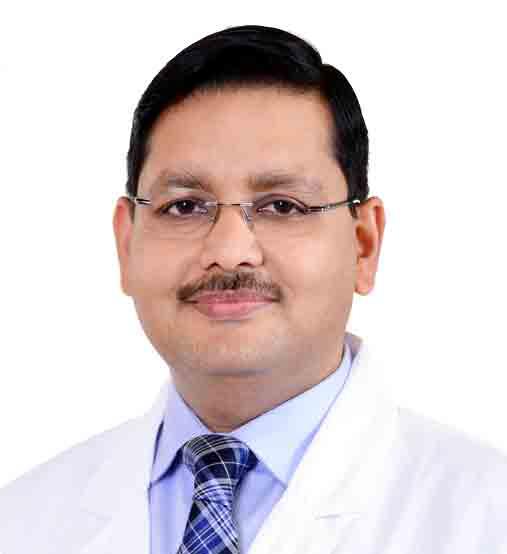
Surgical Oncologist
Dr. Vedant Kabra – Best Surgical Oncologist in Gurugram Dr. Vedant Kabra is a highly renowned Surgical Oncologist in Gurugram with over 25 years of experience in performing complex cancer surgeries with precision and expertise. His extensive training from top institutions like Tata Memorial Hospital (Mumbai) and National Cancer Centre (Singapore) makes him one of the most sought-after cancer surgeons in India. Dr. Kabra holds prestigious qualifications, including MBBS (BHU Varanasi, 1995), MS in General Surgery (BHU Varanasi, 1998), and a Surgical Oncology Fellowship from Tata Memorial Hospital (2003). He has also trained internationally as a Clinical Fellow and Associate at the National Cancer Centre, Singapore (2006), enhancing his expertise in advanced oncological procedures. As a leading cancer surgeon in Gurugram, Dr. Kabra specializes in minimally invasive, robotic, and organ-preserving cancer surgeries, ensuring optimal patient outcomes and faster recovery. Book appointment for Dr. Vedant Kabra through BigOHealth app for seamless experience at the hospital.
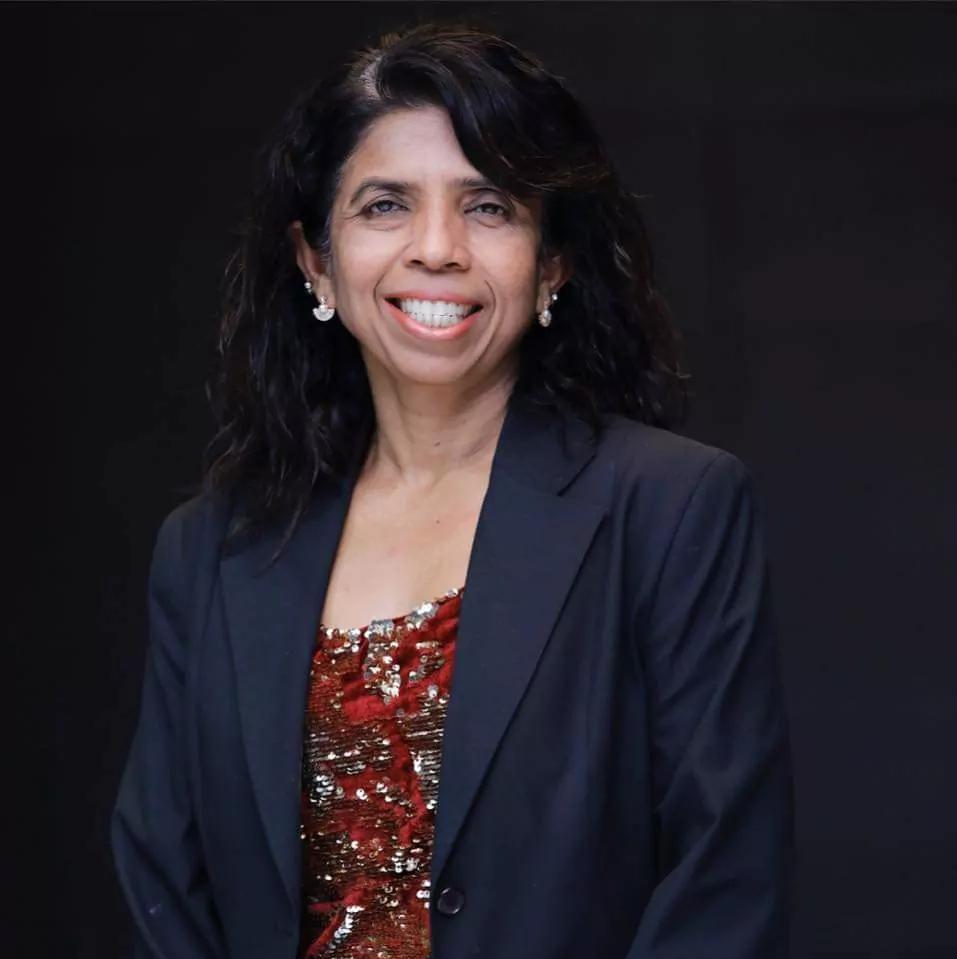
Radiation Oncologist
Dr. Swarupa Mitra is one of the best Radiation Oncologist in India. She is currently working as Director & Unit Head of Radiation Oncology at Fortis Memorial Research Institute, Gurugram (prviously known as Gurugaon). With vast experience of more than 23 years in field of Radiation Oncology, Dr. Swarupa Mitra is one of the most sought after doctors in her field. She has the experience of with experience in treating cancer patients with advanced technologies Dr Swarupa Mitra has been a Nominated Member of Project Advisory committee For Health Communication, Dept Of Science and Technology, Govt Of India. She has been associated with various research projects in Oncology treatment and Cancer registry. She is the Principal Investigator and also co-investigator in several Research Projects with ICMR (Indian Council Of Medical Research) and has published several research papers in international journals. Book appointment with Dr. Swarupa Mitra through BigOHealth app for seamless experience at the hospital.
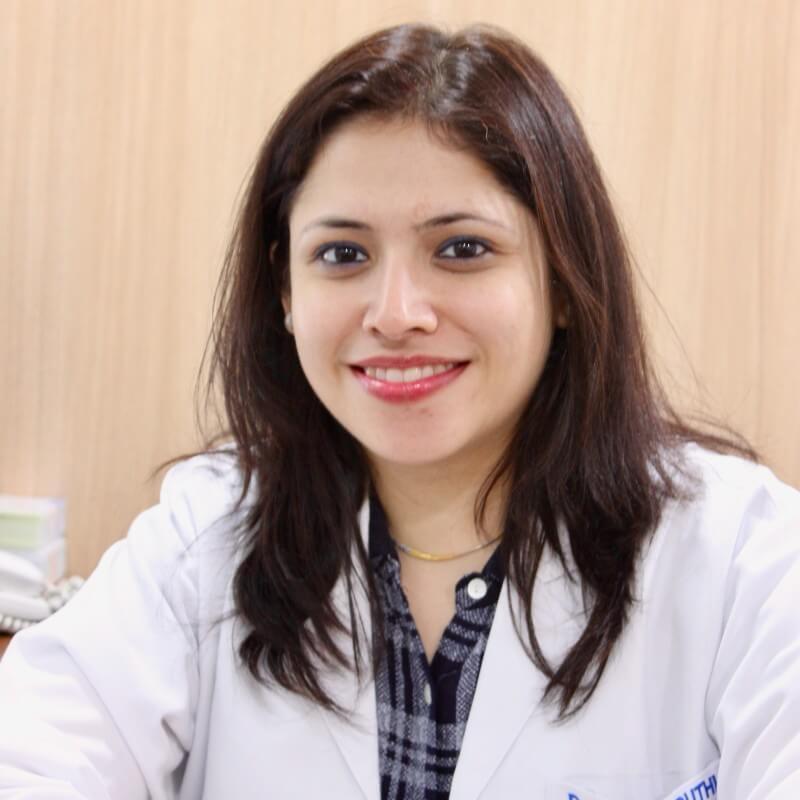
Pain and Palliative Medicine
Dr. Megha Pruthi is a well-known chronic pain and palliative medicine specialist. With over 12 years of experience in renowned hospitals like Max, Fortis etc, she is known for her comprehensive assessment and treatment of various pain conditions. Dr. Megha is deeply compassionate, prioritising the alleviation of her patients' suffering through the latest evidence-based approaches. Embracing a multidisciplinary philosophy, she insists on addressing not only the physical but also the psychological, social, and spiritual aspects of pain, providing holistic care with thorough evaluation, effective management, and transparent communication. Her areas of expertise include cancer pain, spine disorders, refractory pain, complex symptom management, end-of-life care, and interventional pain procedures. Additionally, Dr. Megha is dedicated to education, regularly participating as faculty in national and international conferences, workshops, and symposiums. She serves as an Honorary Tutor in Palliative Medicine at the School of Medicine, Cardiff University, UK, and is particularly interested in research involving questionnaire development, validation, and cross-cultural adaptation.
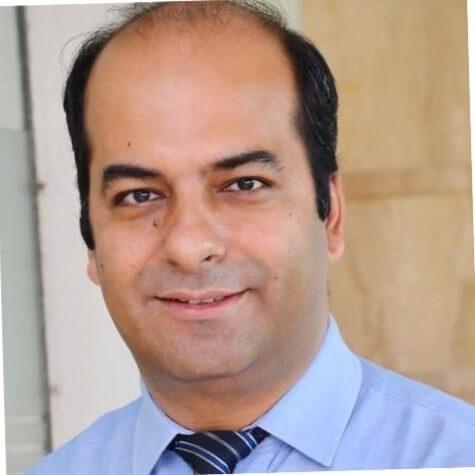
Medical Oncologist
Dr. Ankur Bahl – Best Medical Oncologist in Gurugram Dr. Ankur Bahl is a highly experienced Medical Oncologist with over 15 years of expertise in diagnosing and treating various types of cancers. He specializes in Immunotherapy, Targeted Therapy, Chemotherapy, and Hormonal Therapy, offering cutting-edge, personalized treatment plans for patients battling cancer. Dr. Bahl holds prestigious medical qualifications, including MBBS, MD (Medicine), and DM (Medical Oncology - from AIIMS New Delhi). He has been associated with top-tier medical institutions such as Rajiv Gandhi Cancer Institute and Research Centre and Maulana Azad Medical College, where he honed his expertise in advanced cancer treatment protocols. As a leading cancer specialist in Gurugram, Dr. Bahl is dedicated to providing comprehensive and compassionate cancer care, ensuring the best possible outcomes for his patients. His clinical approach integrates the latest advancements in oncology, making him a trusted choice for individuals seeking expert cancer treatment. Book appointment for Dr. Ankut Bahl through BigOHealth app for seamless experience at the hospital.
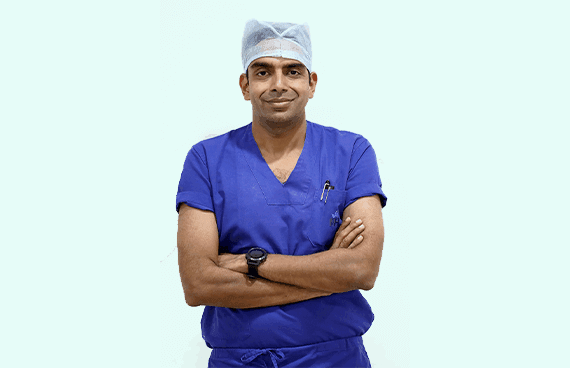
Neurosurgeon
Dr. Anurag Gupta is a distinguished neurosurgeon and minimally invasive spine surgeon with a remarkable career spanning over 16 years. He completed his MBBS, MS, and MCh in Neurosurgery from Kasturba Medical College (KMC) in Manipal, where he acquired comprehensive knowledge and advanced skills in neurosurgical techniques. As an associate director & unit head at Max Super Speciality Hospital Saket, Dr. Gupta holds a prominent position in the field of neurosurgery. He is widely recognized for his expertise, dedication, and commitment to delivering exceptional patient care. Dr. Gupta's areas of specialization include neurosurgery and minimally invasive spine surgery, where he employs the latest advancements and techniques to achieve optimal surgical outcomes. Throughout his illustrious career, Dr. Anurag Gupta has demonstrated a deep understanding of complex neurological conditions and spinal disorders. He is renowned for his proficiency in diagnosing and treating various neurological ailments, including brain tumors, spinal cord injuries, degenerative spine conditions, and cerebrovascular diseases. Dr. Anurag's commitment to excellence extends beyond his clinical practice. He actively engages in research, education, and training initiatives to contribute to the advancement of neurosurgical techniques and improve patient care standards. His leadership and expertise have earned him the respect and admiration of his peers and patients alike. Book appointment with Dr. Anurag Gupta through BigOHealth app for seamless experience at the hospital.
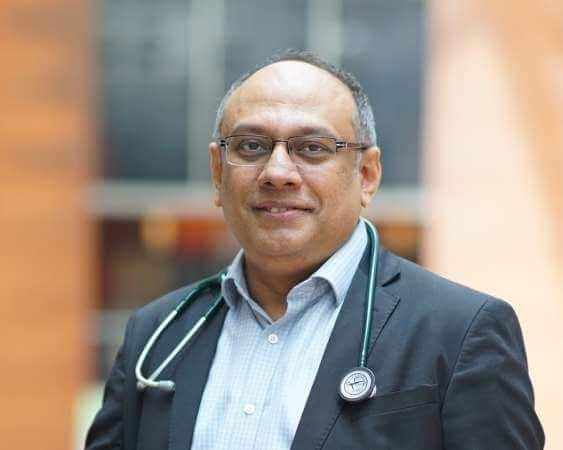
Hematologist
Dr. Rahul Bhargava – Best Blood Cancer & BMT Specialist in Delhi Dr. Rahul Bhargava is one of Delhi's top Hematologists and Stem Cell Transplant experts, having completed over 1,500 successful transplants. An AIIMS New Delhi alumni with 23+ years of experience, he leads India’s premier BMT program, offering advanced low-cost treatments for Leukemia, Lymphoma, and Myeloma.
Oncologist
Dr. Suman is a distinguished Senior Consultant Medical Oncologist at the Fortis Memorial Research Institute (FMRI), Gurugram, with an illustrious career spanning over 10 years of clinical excellence. Her professional journey is defined by high-level international experience, notably serving as a Consultant Medical Oncologist at The Christie Hospital in Manchester, UK, which is recognized as Europe’s largest single-site comprehensive cancer center. During her tenure in the UK, she completed a prestigious Clinical Research Fellowship in Gynaecological Malignancies and actively contributed as a sub-investigator to numerous Phase 1-3 clinical trials, staying at the forefront of oncological innovation. Beyond her core expertise in Gynae-oncology, she possesses specialized clinical interest in Neuro-oncology and Colorectal cancers, further bolstered by a clinical observership at the Salford Royal Hospital (UK) focused on optimizing parenteral nutrition for Malignant Bowel Obstruction. Dr. Suman is a firm advocate for a holistic treatment model, asserting that effective cancer management must transcend medication to encompass the emotional and mental well-being of the individual. Her practice is governed by a patient-first philosophy, where the preservation of a patient’s quality of life is the paramount priority at every stage of the therapeutic journey.
Medical Oncologist
Dr. Mukesh Patekar is among the experienced Medical Oncologists with over 8 years of expertise in cancer care. He currently serves as Associate Director – Medical Oncology at Max Healthcare, Gurugram, and is known for providing comprehensive, evidence-based treatment tailored to each patient. He has extensive experience in treating breast cancer, thoracic cancers, gastrointestinal cancers, hepato-pancreato-biliary malignancies, gynecological cancers, neuro-oncology cases, and hematological cancers such as lymphoma and leukemia. Dr. Patekar is skilled in modern cancer treatments including chemotherapy, immunotherapy, targeted therapy, and precision oncology, focusing on improving treatment outcomes and quality of life for patients. He completed his DM in Medical Oncology and MD in General Medicine from AIIMS, New Delhi, after earning his MBBS from RCSM Government Medical College, Kolhapur. He is also an active member of leading oncology organizations including ASCO, ESMO, and ISMPO.
Medical Oncologist
Dr. Ankur Bahl – Best Medical Oncologist in Gurugram Dr. Ankur Bahl is a highly experienced Medical Oncologist with over 15 years of expertise in diagnosing and treating various types of cancers. He specializes in Immunotherapy, Targeted Therapy, Chemotherapy, and Hormonal Therapy, offering cutting-edge, personalized treatment plans for patients battling cancer. Dr. Bahl holds prestigious medical qualifications, including MBBS, MD (Medicine), and DM (Medical Oncology - from AIIMS New Delhi). He has been associated with top-tier medical institutions such as Rajiv Gandhi Cancer Institute and Research Centre and Maulana Azad Medical College, where he honed his expertise in advanced cancer treatment protocols. As a leading cancer specialist in Gurugram, Dr. Bahl is dedicated to providing comprehensive and compassionate cancer care, ensuring the best possible outcomes for his patients. His clinical approach integrates the latest advancements in oncology, making him a trusted choice for individuals seeking expert cancer treatment. Book appointment for Dr. Ankut Bahl through BigOHealth app for seamless experience at the hospital.
Surgical Oncologist
Dr. Vedant Kabra – Best Surgical Oncologist in Gurugram Dr. Vedant Kabra is a highly renowned Surgical Oncologist in Gurugram with over 25 years of experience in performing complex cancer surgeries with precision and expertise. His extensive training from top institutions like Tata Memorial Hospital (Mumbai) and National Cancer Centre (Singapore) makes him one of the most sought-after cancer surgeons in India. Dr. Kabra holds prestigious qualifications, including MBBS (BHU Varanasi, 1995), MS in General Surgery (BHU Varanasi, 1998), and a Surgical Oncology Fellowship from Tata Memorial Hospital (2003). He has also trained internationally as a Clinical Fellow and Associate at the National Cancer Centre, Singapore (2006), enhancing his expertise in advanced oncological procedures. As a leading cancer surgeon in Gurugram, Dr. Kabra specializes in minimally invasive, robotic, and organ-preserving cancer surgeries, ensuring optimal patient outcomes and faster recovery. Book appointment for Dr. Vedant Kabra through BigOHealth app for seamless experience at the hospital.
Neurosurgeon
Dr. Anurag Gupta is a distinguished neurosurgeon and minimally invasive spine surgeon with a remarkable career spanning over 16 years. He completed his MBBS, MS, and MCh in Neurosurgery from Kasturba Medical College (KMC) in Manipal, where he acquired comprehensive knowledge and advanced skills in neurosurgical techniques. As an associate director & unit head at Max Super Speciality Hospital Saket, Dr. Gupta holds a prominent position in the field of neurosurgery. He is widely recognized for his expertise, dedication, and commitment to delivering exceptional patient care. Dr. Gupta's areas of specialization include neurosurgery and minimally invasive spine surgery, where he employs the latest advancements and techniques to achieve optimal surgical outcomes. Throughout his illustrious career, Dr. Anurag Gupta has demonstrated a deep understanding of complex neurological conditions and spinal disorders. He is renowned for his proficiency in diagnosing and treating various neurological ailments, including brain tumors, spinal cord injuries, degenerative spine conditions, and cerebrovascular diseases. Dr. Anurag's commitment to excellence extends beyond his clinical practice. He actively engages in research, education, and training initiatives to contribute to the advancement of neurosurgical techniques and improve patient care standards. His leadership and expertise have earned him the respect and admiration of his peers and patients alike. Book appointment with Dr. Anurag Gupta through BigOHealth app for seamless experience at the hospital.
Radiation Oncologist
Dr. Swarupa Mitra is one of the best Radiation Oncologist in India. She is currently working as Director & Unit Head of Radiation Oncology at Fortis Memorial Research Institute, Gurugram (prviously known as Gurugaon). With vast experience of more than 23 years in field of Radiation Oncology, Dr. Swarupa Mitra is one of the most sought after doctors in her field. She has the experience of with experience in treating cancer patients with advanced technologies Dr Swarupa Mitra has been a Nominated Member of Project Advisory committee For Health Communication, Dept Of Science and Technology, Govt Of India. She has been associated with various research projects in Oncology treatment and Cancer registry. She is the Principal Investigator and also co-investigator in several Research Projects with ICMR (Indian Council Of Medical Research) and has published several research papers in international journals. Book appointment with Dr. Swarupa Mitra through BigOHealth app for seamless experience at the hospital.
Hemato Oncologist
Dr. Gaurav Dixit – Best Blood Cancer & BMT Specialist in Delhi Dr. Gaurav Dixit is a leading Hematologist and BMT Physician in Delhi, renowned for performing over 500 Bone Marrow Transplants. With prestigious training from AIIMS (Delhi) and CMC Vellore, plus a Mayo Clinic (USA) certification in Multiple Myeloma, he offers world-class care for Leukemia and Lymphoma. Consult Dr. Dixit for expert blood cancer management.
Hematologist
Dr. Rahul Bhargava – Best Blood Cancer & BMT Specialist in Delhi Dr. Rahul Bhargava is one of Delhi's top Hematologists and Stem Cell Transplant experts, having completed over 1,500 successful transplants. An AIIMS New Delhi alumni with 23+ years of experience, he leads India’s premier BMT program, offering advanced low-cost treatments for Leukemia, Lymphoma, and Myeloma.
Pain and Palliative Medicine
Dr. Megha Pruthi is a well-known chronic pain and palliative medicine specialist. With over 12 years of experience in renowned hospitals like Max, Fortis etc, she is known for her comprehensive assessment and treatment of various pain conditions. Dr. Megha is deeply compassionate, prioritising the alleviation of her patients' suffering through the latest evidence-based approaches. Embracing a multidisciplinary philosophy, she insists on addressing not only the physical but also the psychological, social, and spiritual aspects of pain, providing holistic care with thorough evaluation, effective management, and transparent communication. Her areas of expertise include cancer pain, spine disorders, refractory pain, complex symptom management, end-of-life care, and interventional pain procedures. Additionally, Dr. Megha is dedicated to education, regularly participating as faculty in national and international conferences, workshops, and symposiums. She serves as an Honorary Tutor in Palliative Medicine at the School of Medicine, Cardiff University, UK, and is particularly interested in research involving questionnaire development, validation, and cross-cultural adaptation.
Get treatment from best oncologists in Delhi for pancreatic cancer in top hospitals. Book appointment through BigOHealth and get assisted care & priority at the hospital.
We have doctors from top institutions at these hospitals for pancreatic cancer treatment in Delhi. The hospital names and addresses below are for reference, and appointments can be booked through BigOHealth for priority scheduling. These are among the best cancer treatment hospitals in India list that our oncologists are affiliated with.

Sector 44, Near HUDA City Centre Metro Station, Gurugram, Haryana 122003
1, Press Enclave Road, Saket Institutional Area, Saket, New Delhi, Delhi 110017

A-4, Paschim Vihar, New Delhi, Delhi 110063
Sector 128, Noida-Greater Noida Expressway, Noida, Uttar Pradesh 201304
Fortis Hospital, Sector B, Pocket 1, Aruna Asaf Ali Marg, Vasant Kunj, New Delhi, Delhi 110070
Hospital names and addresses are listed below for your reference. Book an appointment through BigOHealth and get priority appointment and support throughout your care journey. *
Should I see a hpb surgeon / pancreatic surgeon or gi medical oncologist or interventional radiologist / gastroenterologist? Here's who to consult first.
| HPB Surgeon / Pancreatic Surgeon | GI Medical Oncologist | Interventional Radiologist / Gastroenterologist | |
|---|---|---|---|
| Primary Role | Performs Whipple procedure, distal pancreatectomy, and complex pancreatic surgeries | Manages chemotherapy (FOLFIRINOX, Gem-Abraxane) and targeted therapy | Performs biliary stenting (ERCP/PTCD) for jaundice relief |
| When to Visit | First Step: If diagnosed with pancreatic mass and potentially resectable disease | Second Step: For neoadjuvant therapy, unresectable, or metastatic disease | Immediate: If presenting with obstructive jaundice before surgery/chemotherapy |
| Key Expertise | High-volume Whipple surgery, vascular reconstruction, minimally invasive techniques | Systemic therapy for pancreatic cancer, clinical trial access | Endoscopic procedures, biliary drainage, pain management interventions |
| Common Titles | HPB Surgeon, Pancreatic Surgeon, Surgical Oncologist | GI Oncologist, Medical Oncologist | Interventional Radiologist, Therapeutic Endoscopist |
Primary Role
Performs Whipple procedure, distal pancreatectomy, and complex pancreatic surgeries
When to Visit
First Step: If diagnosed with pancreatic mass and potentially resectable disease
Key Expertise
High-volume Whipple surgery, vascular reconstruction, minimally invasive techniques
Common Titles
HPB Surgeon, Pancreatic Surgeon, Surgical Oncologist
In Delhi, pancreatic cancer requires immediate multidisciplinary evaluation. Even 'resectable' tumors often receive neoadjuvant chemotherapy first. Start at a high-volume HPB center with integrated GI oncology—surgical expertise alone isn't enough. Get BRCA testing done early; it changes treatment strategy significantly.
Delhi has advanced technology for pancreatic cancer treatment. Ask your doctor if these facilities are available:
Hospitals performing 50+ Whipple procedures annually with <3% mortality rates. Expertise in vascular reconstruction and minimally invasive approaches.
24/7 availability of advanced endoscopy for metal stent placement, relieving jaundice within 48 hours and enabling chemotherapy initiation.
FOLFIRINOX and Gem-Abraxane regimens to downstage borderline resectable tumors, converting 30-40% to surgical candidates.
Rapid turnaround (7-10 days) for BRCA1/2, PALB2, and Lynch syndrome testing to guide platinum therapy and PARP inhibitor eligibility.
Precise, high-dose radiation in 5 sessions for locally advanced pancreatic cancer, improving local control and pain relief.
Celiac plexus neurolysis for intractable pancreatic cancer pain, providing 3-6 months pain relief in single session.
Dedicated GI palliative care teams managing pain, nutrition, biliary obstruction, and psychological support from diagnosis.
Participation in immunotherapy, novel chemotherapy, and targeted therapy trials for advanced pancreatic cancer.
When booking your pancreatic cancer consultation, ask the hospital coordinator if these technologies are available at their Delhi facility. Not all hospitals have the same level of infrastructure.
What should I ask my pancreatic cancer doctor? Here are 5 important questions for your first consultation:
Why it matters: Resectability status determines treatment strategy—upfront surgery vs neoadjuvant chemotherapy vs palliative intent. This is the most critical initial assessment.
Why it matters: Many centers now give chemotherapy first even for resectable tumors to test tumor biology and improve outcomes. Ask about institutional protocol and evidence supporting the approach.
Why it matters: 5-10% of pancreatic cancers have BRCA/PALB2 mutations. This qualifies you for platinum-based chemotherapy and PARP inhibitors (Olaparib), improving survival. Testing should be done early, not after progression.
Why it matters: Elevated CA 19-9 (>1000) suggests aggressive disease. CA 19-9 decline during chemotherapy predicts response. However, 10% of people lack the enzyme to produce CA 19-9, so normal levels don't rule out cancer.
Why it matters: Metal stent placement should happen within 48-72 hours to prevent cholangitis, improve liver function, and allow chemotherapy to start. Delayed stenting increases complications.
Why it matters: FOLFIRINOX is more effective but toxic (requires good fitness). Gem-Abraxane is better tolerated. Your age, performance status, and comorbidities determine the choice.
Why it matters: Pancreatic cancer treatment is complex. Tumor board discussion ensures surgeons, oncologists, and radiologists agree on optimal treatment sequence and timing.
Why it matters: Surgeon volume directly impacts outcomes. High-volume surgeons (20+ Whipples/year) have 3% mortality vs 10-15% at low-volume centers. Don't hesitate to ask this question.
Why it matters: Post-pancreatectomy, you'll need lifelong pancreatic enzyme supplements and possibly insulin. Understanding this helps with nutritional planning and realistic expectations.
Why it matters: Early palliative care (starting at diagnosis) improves quality of life, reduces depression, and may extend survival. It's not just for end-of-life care—it supports you through treatment.
Our team helps you prepare a list of important questions to ask your doctor, so you can make the most of your consultation. Message us, and we'll be happy to assist you.
Bring all imaging (CT/MRI on CD/USB), biopsy pathology report, CA 19-9 blood test, liver function tests, and list of all medications. Pancreatic cancer moves fast—get second opinion quickly (within 1 week) if considering major surgery. Time is critical.
Selecting the right pancreatic cancer specialist can significantly impact your treatment journey. Here are 10 important factors to help you evaluate doctors and hospitals with confidence.
Choose an HPB surgeon performing 20+ Whipple procedures annually. High-volume centers achieve perioperative mortality <3% vs 10-15% at low-volume centers. Ask about pancreatic leak rates (<10% is acceptable), delayed gastric emptying management, and median hospital stay (12-14 days).
Confirm weekly tumor boards including HPB surgeons, GI oncologists, radiation oncologists, interventional radiologists, and pathologists. Borderline resectable cases require consensus on neoadjuvant therapy vs upfront surgery. MDT approach improves resection rates by 20-30%.
For borderline resectable tumors, verify hospital follows neoadjuvant FOLFIRINOX or Gem-Abraxane protocols. Ask about restaging imaging timeline (after 2-4 cycles) and CA 19-9 monitoring. 25-40% of borderline cases become resectable after neoadjuvant therapy.
Ensure 24/7 therapeutic endoscopy for urgent biliary decompression. Jaundiced patients require stenting within 48-72 hours to prevent cholangitis and enable chemotherapy. Ask about metal vs plastic stent preference (metal stents last 6-12 months vs 3 months for plastic).
For all pancreatic cancer patients (not just family history), verify BRCA1/2, PALB2, and Lynch syndrome testing within 2 weeks. 5-10% have germline mutations qualifying for platinum-based chemotherapy and PARP inhibitors (Olaparib), improving survival by 6-12 months.
Ask about hospital's preferred first-line regimen. FOLFIRINOX offers better response (32% vs 23%) but higher toxicity, requiring good performance status. Gem-Abraxane is better tolerated in older/frail patients. Verify availability of growth factors (G-CSF) to manage neutropenia.
Look for hospitals initiating palliative care consultation at diagnosis (not just end-stage). Early palliative care improves quality of life scores by 40%, reduces depression, and may extend survival by 2-3 months. Ask about dedicated GI palliative care team availability.
Post-pancreatectomy or for locally advanced disease, confirm availability of pancreatic enzyme supplements (Creon, Pancreatin) with insurance coverage. Proper enzyme dosing (50,000-75,000 lipase units per meal) prevents malabsorption and weight loss, improving treatment tolerance.
For metastatic/recurrent pancreatic cancer, verify participation in immunotherapy trials (checkpoint inhibitors for MSI-high, vaccine trials), novel chemotherapy combinations, or targeted therapy studies. Trial access can provide treatments 2-3 years before commercial availability.
Confirm availability of interventional pain specialists offering celiac plexus neurolysis for intractable pancreatic cancer pain. Single-session nerve block provides pain relief for 3-6 months in 70-80% of patients, reducing opioid requirements and improving quality of life.
During your pancreatic cancer consultation in Delhi, ask your doctor about each of these factors. These questions help you identify truly experienced specialists and well-equipped hospitals for the best pancreatic cancer treatment outcomes.



Need help deciding best doctor for Pancreatic Cancer
Our care team is here for you.
At BigOHealth, we provide transparent cost breakdowns that include surgery, chemotherapy, and advanced targeted therapies. By choosing a specialized Pancreatic Cancer oncologists in Delhi, you can reduce out-of-pocket expenses while maintaining international standards of care. Costs are indicative and vary based on resectability, surgical complications, chemotherapy regimen choice, hospital infrastructure, and intensive supportive care needs.*
N/A
Disclaimer: Indicative estimates only. Individual plans depend on clinical staging, biology & personalization.
Real experiences from Indian patients & caregivers navigating multidisciplinary cancer care.
Coordinated care, clear cost guidance and compassionate follow‑ups made a tough journey feel structured and hopeful.
Streamlined appointments, quick second opinions and transparent estimates reduced our anxiety significantly.
Streamlined appointments, quick second opinions and transparent estimates reduced our anxiety significantly.
Nutritional guidance & rehabilitation tracking helped me recover strength faster after completing therapy.
Nutritional guidance & rehabilitation tracking helped me recover strength faster after completing therapy.
Cost breakdowns were precise; I could plan insurance claims and avoid surprise expenses.
Cost breakdowns were precise; I could plan insurance claims and avoid surprise expenses.
Doctor selection filters saved time. Remote updates kept extended family informed without chaos.
Doctor selection filters saved time. Remote updates kept extended family informed without chaos.
Personalized staging explanation and therapy pathway boosted my confidence before starting cycles.
Personalized staging explanation and therapy pathway boosted my confidence before starting cycles.
Coordinated care, clear cost guidance and compassionate follow‑ups made a tough journey feel structured and hopeful.
Real work. Real impact. Embedded education & innovation content—watch videos, explore research, and see how BigOHealth advances cancer care.
Unified, compact view of symptom clusters and treatment impact. Content remains fully visible for search engines; search gently highlights matching terminology.
Early, common & advanced signs of pancreatic cancer

Short & long-term side effects of pancreatic cancer treatment

Informational reference only; seek urgent care for severe or rapidly worsening symptoms.
Get your Pancreatic Cancer systematically reviewed through a multidisciplinary tumor board, where surgical, medical, and radiation oncologists collectively evaluate reports, imaging, and pathology to support evidence-based treatment planning personalised for you.
Clear, patient‑friendly answers to common pancreatic cancer queries. All FAQs are visible (no accordion) for easy scanning and search optimization.
Pancreatic cancer occurs when cells in the pancreas—a gland behind the stomach that produces digestive enzymes and insulin—begin growing abnormally. It is often detected late because early symptoms are vague or absent.
Common symptoms include jaundice (yellowing of skin and eyes), upper abdominal or back pain, unexplained weight loss, loss of appetite, nausea, and new-onset diabetes. Symptoms usually appear when the cancer is already advanced.
Pancreatic cancer develops due to genetic mutations that cause pancreatic cells to grow uncontrollably. Risk factors include smoking, obesity, chronic pancreatitis, diabetes, family history, and age over 60. Many cases have no clear cause.
Pancreatic cancer is hard to cure because it's often found late. However, if detected early and the tumor is removable, surgery combined with chemotherapy can be curative. Treatment focuses on extending life and managing symptoms in advanced cases.
Diagnosis involves imaging tests like CT scans, MRI, or endoscopic ultrasound to locate tumors. Blood tests (CA 19-9 marker) and biopsies help confirm the diagnosis. Early detection is challenging due to the pancreas's deep location.
Pancreatic cancer is deadly because it rarely shows symptoms until it has spread to other organs. The pancreas is also located deep in the body, making early detection difficult. By the time it's found, treatment options are often limited.
India's best cancer hospitals for treatment include AIIMS Cancer Institute New Delhi (All India Institute of Medical Sciences), Tata Memorial Hospital Mumbai — the top cancer treatment hospital in India for volume and research — Rajiv Gandhi Cancer Institute & Research Centre (RGCI) Delhi, Adyar Cancer Institute Chennai, and Cancer Institute (WIA) Chennai. Tata Memorial Hospital Mumbai is widely regarded as the best cancer hospital in Mumbai and one of the finest in Asia for top cancer care. BigOHealth connects patients seeking second opinions from or alternatives to these top cancer hospitals in India with verified oncologists for consultations and tumor board reviews online.
You can consult a verified medical oncologist online in India through BigOHealth without visiting a hospital in person. Share your medical reports, diagnosis details, and symptoms, and our team connects you with a specialist for a video consultation. This gives you access to expert oncology opinions from anywhere in India, along with guidance on treatment options, costs, and next steps.
No, seeing an oncologist does not automatically mean you need chemotherapy. Oncologists evaluate your specific diagnosis, cancer type, and stage before recommending treatment. Depending on your case, the plan may include surgery, radiation, hormone therapy, targeted therapy, active surveillance, or a combination — chemotherapy is only one of several possible options.
Educational guidance only; consult qualified oncology professionals for personalized medical advice.
Need help deciding best doctor for Pancreatic Cancer
Our care team is here for you.