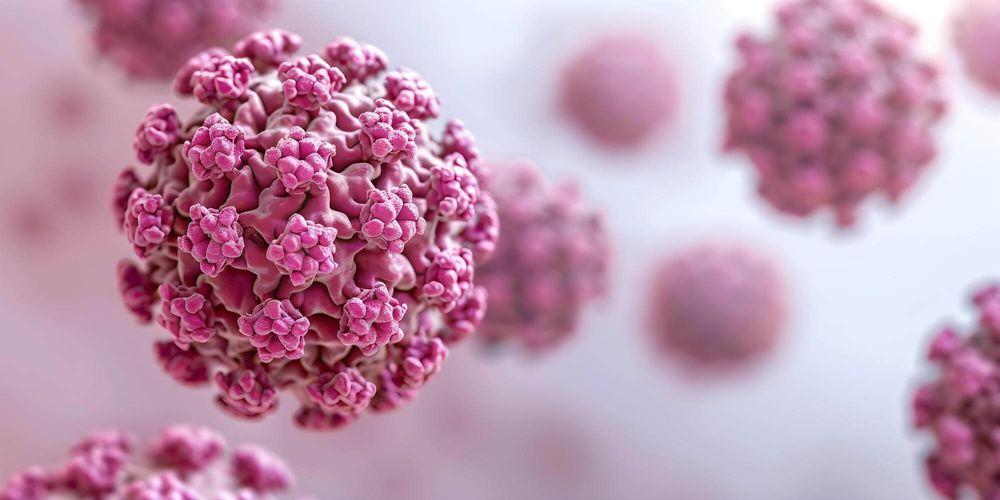
You may have come across the term Human Papillomavirus (HPV) in a medical report, during a discussion about the cervical cancer vaccine, or while learning about routine screening tests. Seeing an unfamiliar medical term can naturally raise questions - and it is completely understandable if you want to know what it means for your health.
HPV is one of the most common viral infections worldwide, affecting millions of people. It spreads mainly through sexual contact and intimate skin-to-skin contact in the genital area, and you may be exposed without realising it.
In most cases, the immune system clears HPV naturally. However, because the infection often causes no early symptoms, vaccination and regular screening - such as the Pap smear - play an important role in prevention and early detection.
In this article, you will learn what HPV is, how it spreads, the possible health risks, and the steps that will help you protect your long-term reproductive health.
<u>**What Is HPV? | Human Papillomavirus Explained**</u>
Human Papillomavirus (HPV) is a group of more than 100 related viruses that infect the skin and mucous membranes - including the genital area, mouth, and throat. Of these, approximately 14 types are classified as high-risk and are associated with an increased risk of certain cancers.
Most HPV infections do not cause symptoms and are naturally cleared by the immune system within one to two years. HPV types are broadly classified into two groups:
_Low-risk HPV:_ May cause conditions such as genital warts. Not linked to cancer.
_High-risk HPV:_ Can lead to long-term cellular changes that may increase the risk of certain cancers - particularly cervical cancer - if not detected early through screening.
Understanding these differences helps your doctor recommend appropriate screening, prevention strategies, and follow-up care if needed.
**Key facts about HPV:**
- HPV includes more than 100 related virus types, of which approximately 14 are high-risk
- Most infections cause no symptoms and clear naturally
- Some low-risk types cause genital warts
- Certain high-risk types - particularly HPV 16 and 18 - are responsible for the majority of cervical cancer cases
- HPV can also cause cancers of the throat, anus, penis, vagina, and vulva
- Vaccination and regular screening are the most effective ways to reduce risk
<u>**How Does HPV Spread?**</u>
HPV spreads mainly through direct skin-to-skin intimate contact. The most common ways include:
- Vaginal, anal, or oral sexual contact
- Close genital skin-to-skin contact with an infected person, even without penetration
Because HPV infections often cause no visible symptoms, a person may carry and pass the virus without being aware of it. This means you could be exposed even if your partner has no noticeable signs of infection.
HPV is not spread through casual everyday contact such as hugging, sharing food, or using the same toilet.
<u>**HPV Symptoms: What Are the Signs of HPV Infection?**</u>
Many HPV infections produce no noticeable symptoms - which is precisely why regular screening is so important. When effects do occur, they usually develop slowly. The signs include:
_Genital warts:_ Small, flesh-coloured growths in the genital area. These may appear singly or in clusters and are caused by low-risk HPV types. They are not linked to cancer and can be treated with medications or minor procedures.
_Changes in cervical cells:_ Some high-risk HPV infections may cause changes in cervical cells over time. These changes usually cause no visible symptoms - which is why a Pap smear or HPV test is the only reliable way to detect them early.
_Symptoms in other areas:_ High-risk HPV can also cause cell changes in the throat, anus, and other areas. A persistent sore throat, difficulty swallowing, or unusual growths in the mouth or throat that do not resolve should be evaluated by a doctor.
<u>**Can HPV Cause Cancers Other Than Cervical Cancer?**</u>
Yes — and this is an important point that is often overlooked.
While cervical cancer is the most well-known HPV-related cancer, high-risk HPV types - particularly HPV 16 and 18 - are also associated with:
- **Throat and mouth cancers (Oropharyngeal cancer):** HPV is now one of the leading causes of throat cancer, particularly in the base of the tongue and tonsils. This affects both men and women.
- **Anal cancer:** Strongly linked to HPV, especially HPV 16
- **Penile cancer:** Linked to HPV in men
- **Vaginal and vulvar cancers:** Less common but associated with high-risk HPV
This is why HPV is not just a women's health issue. Men can carry and transmit HPV, and are also at risk of HPV-related cancers - particularly oropharyngeal and anal cancers. Currently, there is no routine HPV screening test available for men, which makes vaccination and regular health check-ups particularly important.
<u>**How Is HPV Detected?**</u>
HPV infections are most often detected through routine cervical screening. There are two main tests:
_Pap Smear Test:_ Checks for early changes in cervical cells. During the test, a healthcare professional gently collects a small sample of cells from the cervix using a soft brush or spatula. The sample is examined in a laboratory to detect abnormal cells that could develop into cervical cancer if left untreated.
_HPV Test:_ Detects high-risk HPV types that may increase the risk of cervical cancer. The test uses a cervical cell sample collected in a way similar to a Pap smear, and may be done alongside it or as a follow-up test.
**What is the difference between a Pap smear and an HPV test?**
- A Pap smear looks for *abnormal cervical cells*
- An HPV test looks for the *presence of high-risk HPV virus itself*
- Both can be done at the same time - this is called co-testing and gives the most complete picture
Regular screening helps detect cervical changes early, when they are easier to monitor or treat. If you are unsure about the next steps, you can consult a gynaecologist through BigOHealth for HPV screening and guidance on cervical cancer prevention.
<u>**When Should You Get Screened for HPV?**</u>
_In India (national screening guidelines):_ Population-based screening primarily targets women aged 30 years and above, using methods such as VIA (Visual Inspection with Acetic Acid), Pap smear, or HPV testing.
_In clinical practice:_ Screening may begin earlier - around 21 to 25 years of age - especially if:
- You are sexually active
- You have not been screened for several years
- You want early detection of cervical cell changes
Regular check-ups and timely screening help identify abnormal changes at an early stage, allowing for timely care and better prevention of cervical cancer.
<u>**Who Is at Risk of HPV Infection?**</u>
HPV infection is common and can affect many individuals. Certain factors may increase the likelihood of exposure:
- Being sexually active
- Having multiple sexual partners
- Not having received the HPV vaccine
- Having a weakened immune system
- Not undergoing regular cervical screening
Understanding these risk factors can help you take preventive steps such as vaccination and routine screening.
<u>**Is HPV Curable? Can HPV Go Away on Its Own?**</u>
There is currently no treatment that directly eliminates HPV from the body. However, in most people, the immune system clears the infection naturally - usually within one to two years.
_Important nuance:_ High-risk HPV types that persist beyond two years are the ones associated with an increased cancer risk. This is exactly why repeat screening is recommended even after a positive result - to monitor whether the infection has cleared or whether cervical cell changes are developing.
You can support your immune system and overall health by:
- Eating a balanced and nutritious diet
- Maintaining regular physical activity
- Getting adequate sleep
- Avoiding smoking
- Attending routine medical check-ups
Even if the infection clears naturally, regular screening remains important for monitoring your cervical health.
<u>**Can HPV Be Prevented?**</u>
Yes. Although HPV is common, there are several effective steps you can take to reduce your risk:
_HPV Vaccination:_ Vaccination is one of the most effective ways to protect against high-risk HPV types. The 9-valent HPV vaccine (Gardasil 9) covers the HPV types responsible for approximately 90% of cervical cancer cases, as well as types that cause genital warts. Older 2-valent and 4-valent vaccines offer protection against fewer types.
The vaccine works by helping your immune system recognise and fight the virus before exposure. It prevents new infections but does not treat existing ones. Because no vaccine covers every HPV type, regular cervical screening remains important even after vaccination.
_Regular Screening:_ Routine Pap smear and HPV tests help detect early changes in cervical cells before they develop into more serious conditions.
_Safe Health Practices:_
- Limiting the number of sexual partners
- Using protection during sexual activity
- Maintaining regular health check-ups
Together, these measures support prevention, early detection, and long-term reproductive health.
<u>**What If Your HPV Test Is Positive?**</u>
A positive HPV test means the virus was detected during screening. Because HPV is very common, this result is not unusual - and it does not mean you have cancer.
In many people, the immune system clears the virus naturally over time. However, a positive result does indicate the need for appropriate follow-up care. Your doctor may recommend:
_Repeat screening:_ To check whether the infection has cleared naturally after a certain period.
_Colposcopy:_ A detailed examination of the cervix using a special magnifying instrument, recommended if there are signs of cervical cell changes.
_Biopsy if needed:_ A small sample of tissue may be taken for laboratory analysis to better understand the nature of the cell changes.
These steps help identify any abnormalities early, when they are easiest to monitor or treat. If you have received a positive HPV result, you can consult a specialist through BigOHealth for an HPV screening consultation or cervical health guidance.
<u>**How Are HPV-Related Conditions Treated?**</u>
Since there is no treatment that directly eliminates HPV, medical care focuses on treating the conditions it may cause:
_Genital warts (low-risk HPV):_
- Topical medications
- Cryotherapy (freezing treatment)
- Minor procedures to remove the warts
_Abnormal cervical cells (high-risk HPV):_
- **LEEP (Loop Electrosurgical Excision Procedure):** Removes abnormal cervical tissue using a thin electrical loop
- **Cryotherapy:** Freezes and destroys abnormal cells
- **Cone Biopsy:** Removes a small cone-shaped piece of cervical tissue - both for diagnosis and treatment of abnormal cells
When detected early through screening, these treatments are generally very effective.
<u>**Frequently Asked Questions About HPV**</u>
_**Q. Can you get HPV without having sex?**_
Yes. HPV spreads mainly through sexual contact but can also spread through close genital skin-to-skin contact, even without penetration.
_**Q. How long does HPV stay in the body?**_
In most people, HPV clears naturally within 1 to 2 years. High-risk types that persist beyond this period are the ones that need monitoring, as prolonged infection increases the risk of cervical cell changes.
_**Q. Does HPV always lead to cancer?**_
No. Most HPV infections are harmless and clear on their own. Only certain high-risk types — if they persist for a long time - may increase the risk of cancers like cervical cancer.
_**Q. How do I know if I have HPV?**_
You usually cannot tell on your own, because HPV often has no symptoms. It is detected through screening tests - a Pap smear checks for cell changes, while an HPV test detects the virus itself.
_**Q. Why is HPV vaccination important?**_
The 9-valent HPV vaccine protects against the HPV types responsible for approximately 90% of cervical cancer cases, along with other HPV-related cancers and genital warts. It is most effective when given before exposure to HPV.
_**Q. Can the HPV vaccine cause period problems?**_
There is no strong scientific evidence that the HPV vaccine causes long-term menstrual problems. Some people may notice temporary changes such as spotting or slight cycle variation shortly after vaccination, but these typically resolve on their own. This has been studied extensively in large clinical trials.
_**Q. Can HPV be detected in men?**_
There is currently no routine screening test for HPV in men. However, men can carry and spread the virus - often without symptoms - and are also at risk of HPV-related cancers including throat and anal cancer. Vaccination is recommended for men as well.
_**Q. Can I have a normal relationship if I have HPV?**_
Yes. HPV is very common and most infections are temporary. Being aware, practising safe habits, and maintaining open communication with your partner are the most important steps.
_**Q. Can HPV affect pregnancy?**_
In most cases, HPV does not affect your pregnancy or your baby. Your doctor may monitor you if there are any cervical changes detected during pregnancy.
_**Q. Can HPV come back after it clears?**_
HPV may become inactive and undetectable. However, in some cases it can reactivate later - particularly if your immune system becomes weakened. This is another reason why regular screening remains important even after a previously clear result.
<u>**Takeaway**</u>
HPV is a common infection, but with proper awareness, vaccination, and regular screening, most HPV-related health problems can be prevented or detected early. Because the infection often develops without noticeable symptoms, staying proactive about your health is the single most important step you can take.
Routine check-ups and timely screening help detect early changes in cervical cells and allow doctors to take appropriate action if needed. By staying informed about vaccination schedules, screening timelines, and your health status, you can take meaningful steps to protect your cervical health and long-term well-being.
If you have any concerns about HPV, cervical screening, or vaccination, you can consult a specialist through [BigOHealth](https://bigohealth.com) and receive personalised guidance from a qualified gynaecologist or oncologist as required.
READ MORE...